
Victorian Terrace Reimagined: Inside Interior Architect Emily Pun's Beautifully Renovated Home in London
Produced & Written by Dan Burge | 7 December 2025
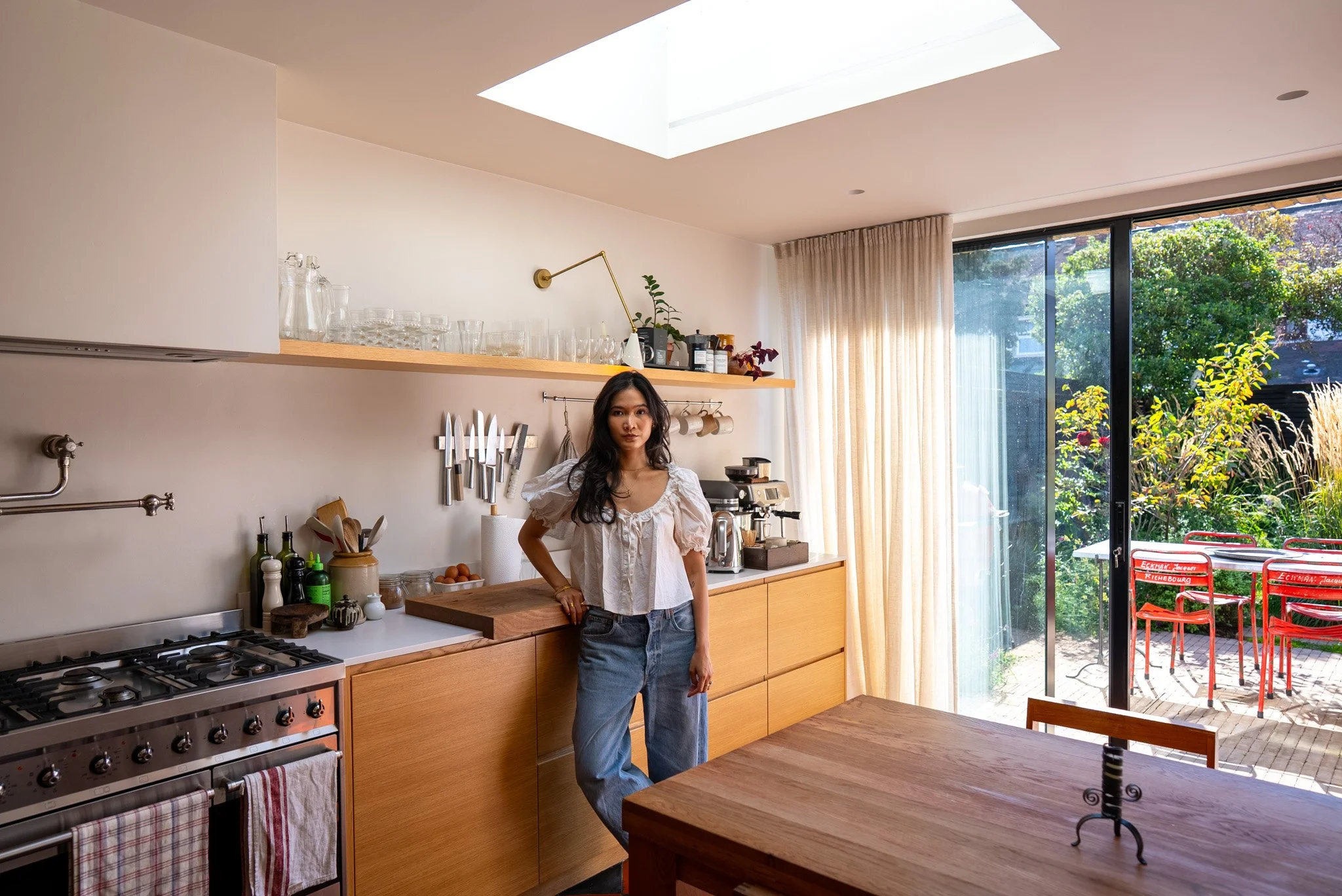
We were invited by homeowner Emily to film and feature her beautifully renovated Victorian terrace in London. Purchased three years ago in a “super rundown, super dilapidated” condition, the property has been carefully transformed into a layered, characterful home that balances heritage restoration with contemporary interventions.
Rather than buying something already finished, Emily and her partner actively sought a project. “We really wanted a property that wasn’t super done up at the time because we wanted to make our own mark on it,” she explains. What they found was potential: strong natural light, a workable configuration, and space that could evolve around their lifestyle.
The result is a renovation defined not by extravagance, but by thoughtfulness.
Seeing Beyond the Surface
Buying for Potential
When the couple first stepped inside, the house was tired and fragmented. But Emily saw possibility. “It had really great natural light, really great space configuration, and it worked for me and my partner as well as our little dog.”
The key was to look beyond the cosmetic issues and focus on structure, proportion, and long-term adaptability. The house had good bones — it simply needed vision and commitment.
Restoring the Victorian Façade
Removing the “Holy Trinity”
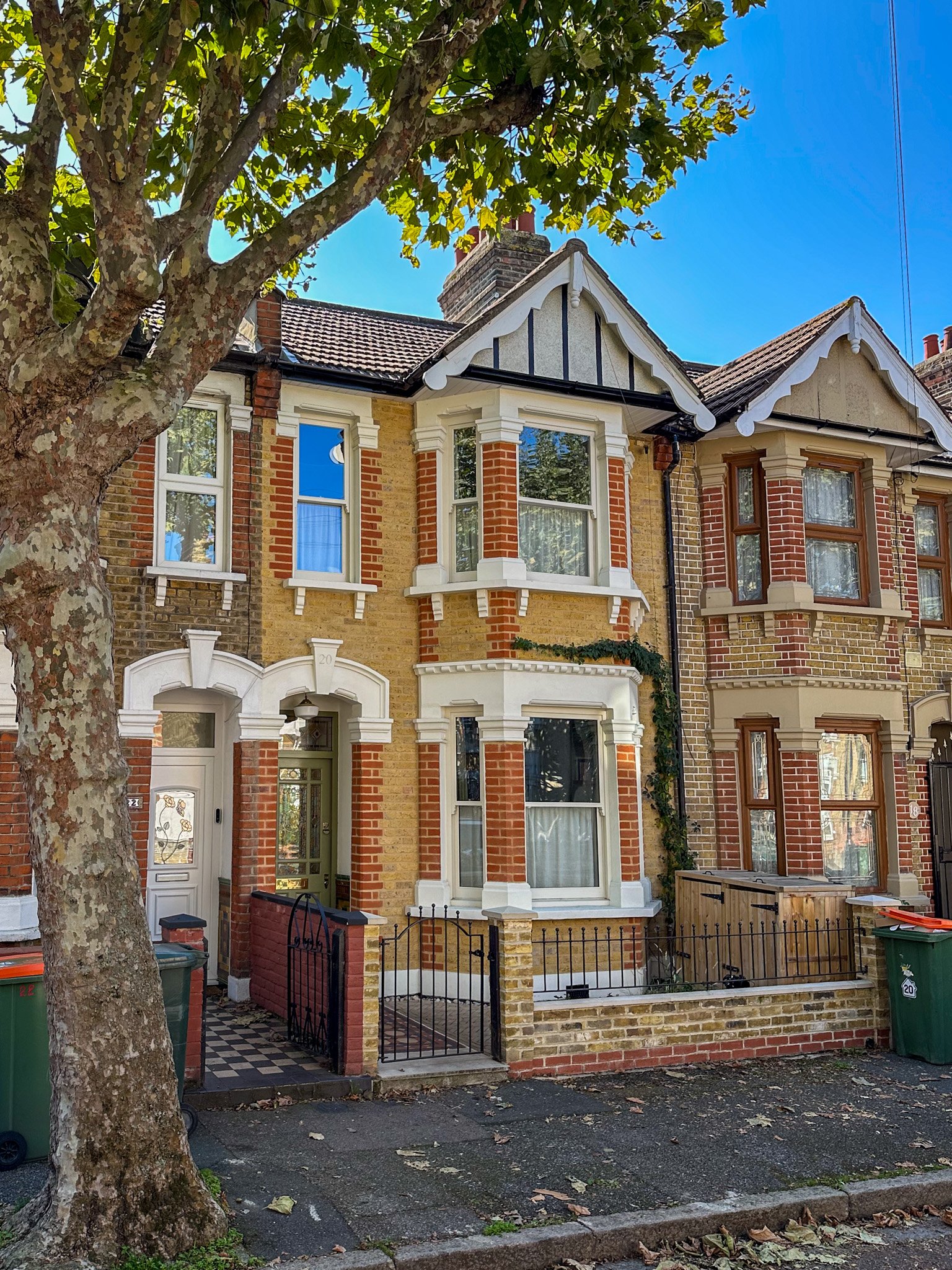
Externally, the property came with what Emily jokingly calls “a little bit of the holy trinity — pebble dash, PVC windows, and wallpaper everywhere inside.”
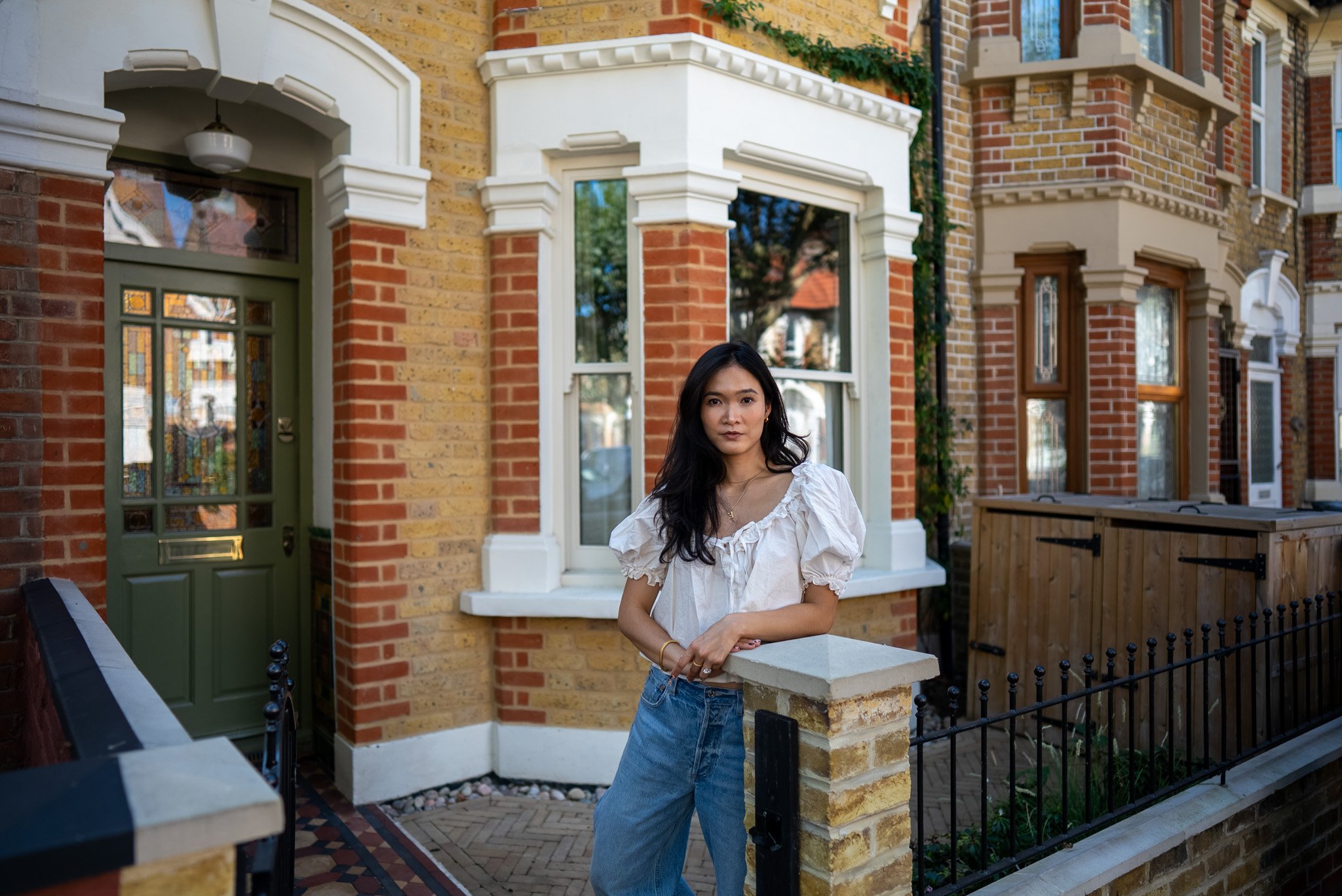
Curb appeal mattered. The pebble dash was removed to reveal and restore the original brickwork, complete with new pointing. Timber sash windows were reinstated in place of PVC, bringing back the elegance of the Victorian proportions.
“We wanted to give it a little bit of a facelift because I do think curb appeal is really important. Whenever we come home now, it feels a lot more like us.”
A Door Worth the Wait
The original front door had also been replaced with PVC by previous owners. In its place now stands a stained glass door sourced from Wales after what Emily describes as an “obscenely long” lead time.
“Good things are worth the wait,” she says. Painted in a soft olive green linseed oil paint, the door sets the tone for the house — refined, calm, and rooted in craftsmanship.
Original quarry tiles along the pathway were retained as a nod to history, sitting alongside new herringbone paving that continues through to the rear garden — a subtle thread tying the exterior spaces together.
The Hallway: Colour & Craft
Breathing Life into the Staircase
The original staircase was structurally sound but unloved. “It was super creaky when we moved in. It wasn’t well-loved, let’s say.”
Rather than replace it, Emily refurbished and reimagined it. Painted in Tuscan Red by Little Greene, it becomes a bold moment on entry — a deliberate pop of colour that signals personality from the threshold.
Spindles and handrails were reinstated to restore period character, while an affordable runner sourced from India via Etsy proves that thoughtful sourcing matters more than budget. “I don’t necessarily think spending a lot of money is necessary to make your house feel like yours.”
Cohesive Flooring
Downstairs, engineered timber flooring replaced damaged boards, while salvageable originals were repurposed upstairs. “I think less is more sometimes,” Emily reflects — a philosophy that runs throughout the home.
Reworking the Reception Rooms
From Fragmented to Flowing
Originally divided into two separate rooms, the front and middle reception spaces felt disjointed. The wall between them was opened up, the original door to the living room closed off, and pocket doors introduced.
“We wanted to create a little bit of a snug and introduce these pocket door systems to connect the two spaces.”
When closed, the acoustic seals allow the space to function quietly — ideal for working from home. When open, the rooms feel generous and interconnected.
Rediscovering the Fireplace
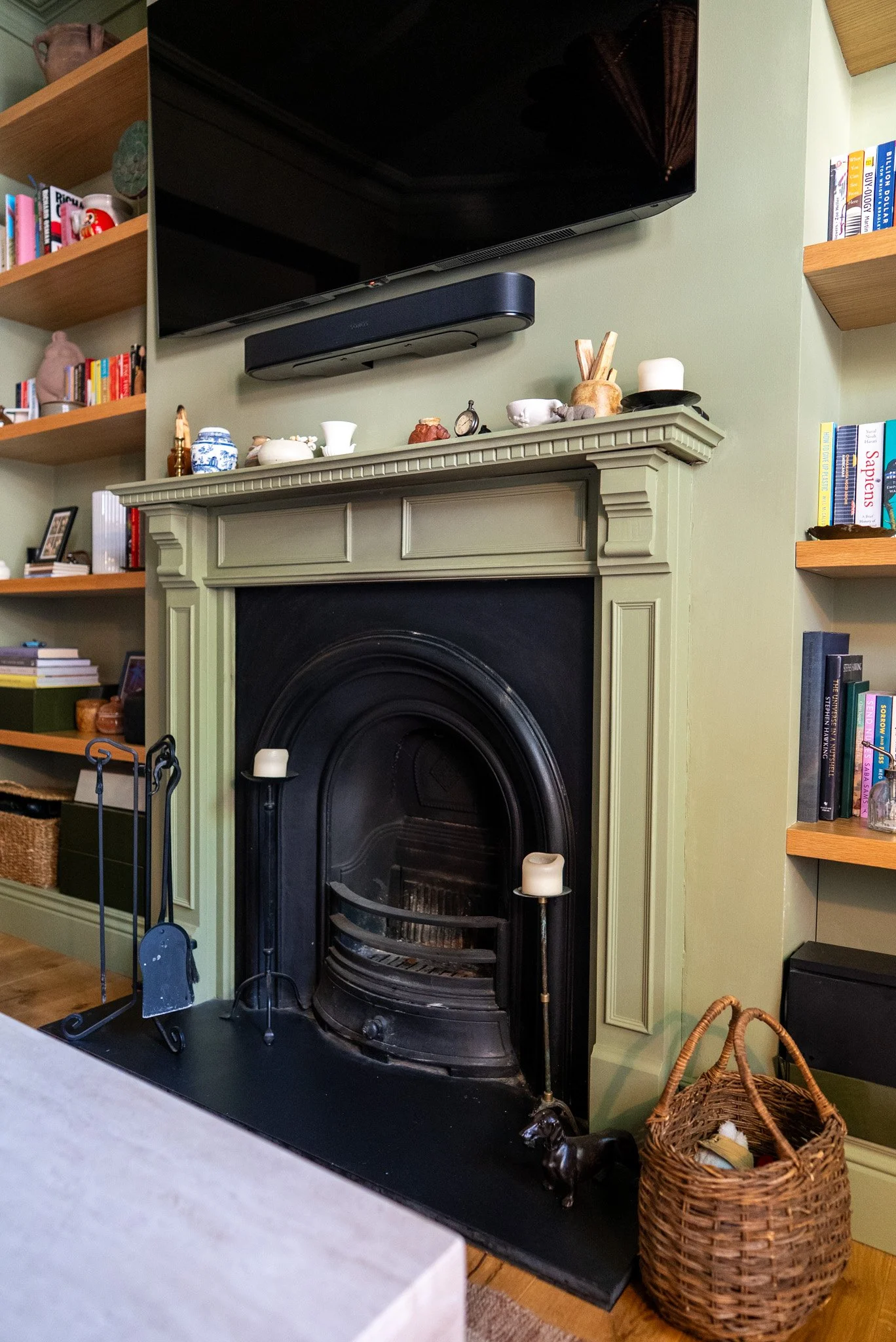
Behind brick wallpaper, an active fireplace was uncovered. “When we took off the board, we found a lovely fireplace — an active one actually.”
Restored with a new surround and mantel, it now anchors winter evenings. “Every winter we have the fire on over Christmas. It’s such a lovely central feature for me, my friends, my family.”
Reclaimed pieces from eBay and Facebook Marketplace fill the space, reinforcing Emily’s belief that character often comes from considered sourcing rather than high spending.
Extending with Intention
Turning Planning Rejection into Opportunity
The rear and side extension formed the core of the renovation. The original plan for a full-height box extension was rejected on planning grounds due to impact on neighbours.
“I think sometimes when planning says no, it’s actually a really good design opportunity to exercise some creativity.”
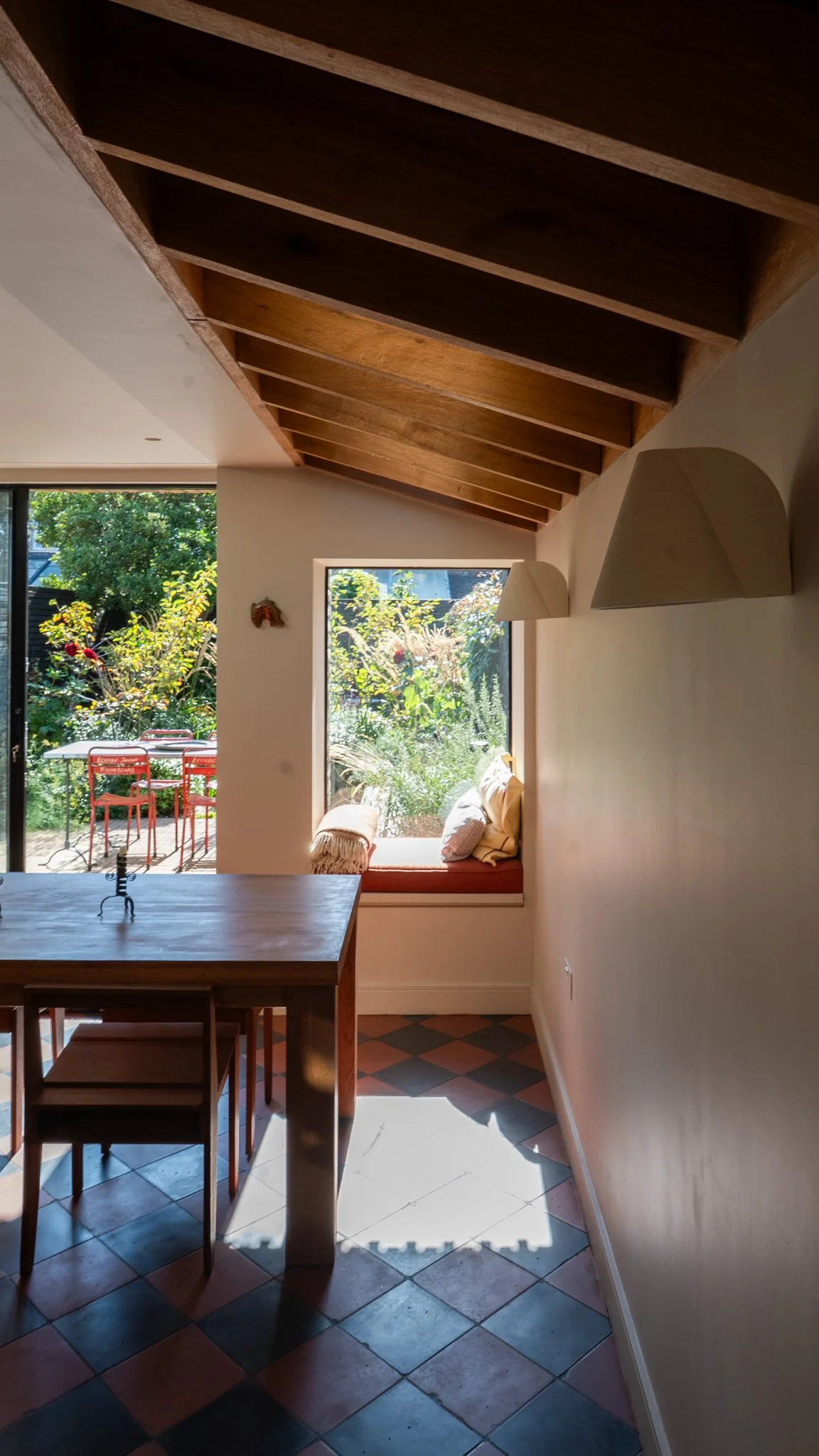
Instead of a flat roof, a pitched side extension was introduced with timber elements between skylights. These structural rhythms bring warmth and texture, avoiding an expanse of glass that would have been both costly and prone to overheating.
Budget constraints shaped smart decisions, including made-to-order skylights rather than bespoke glazing. “We were constrained by budget… but actually it meant the design became better.”
A Kitchen Where the Floor is the Hero
The kitchen is intentionally restrained: a single run of veneered MDF joinery with groove handles and a matte quartz worktop.
“I’m not a fan of L-shaped kitchens,” Emily notes. Simplicity keeps the focus where she wanted it — on the reclaimed checkerboard quarry tiles underfoot.
Salvaged from a yard and already weathered, they introduce texture and authenticity. “It was an unusual choice… but I actually think it’s an element that we don’t feel so precious about.”
The space is hardworking yet warm — proof that impact doesn’t require excess.
Framing the Garden
Sliding Doors, Not Bifolds
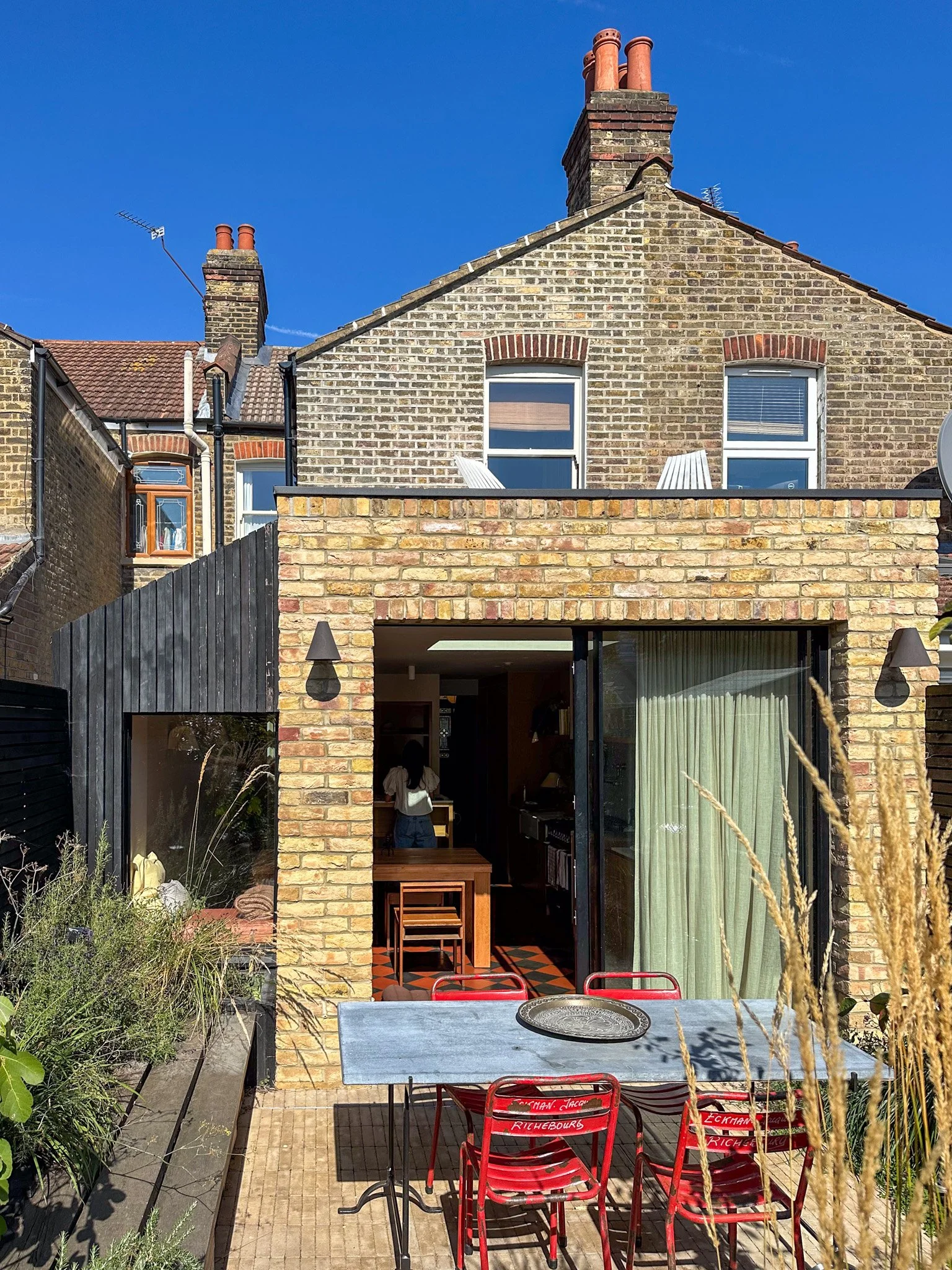
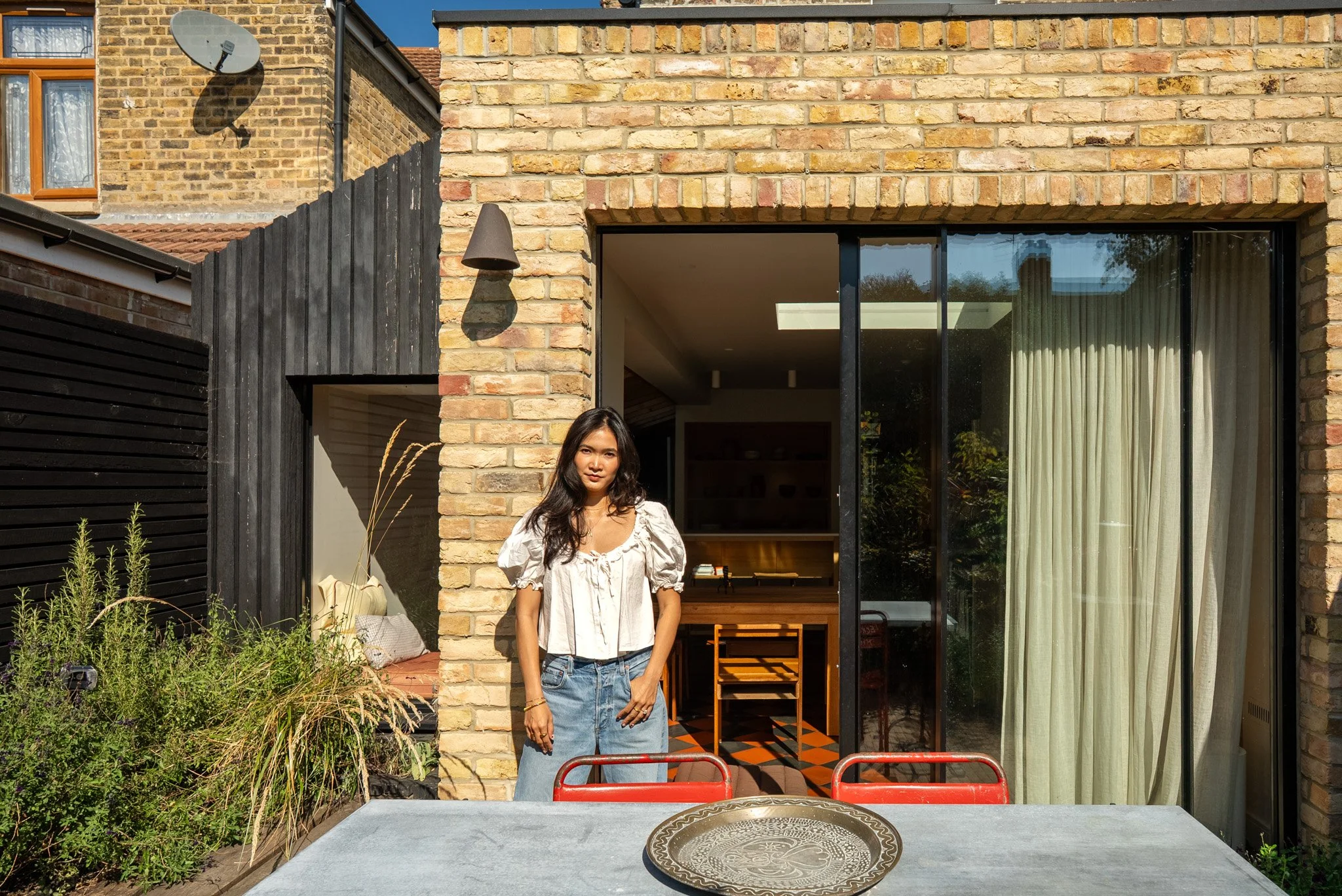
“I am not a believer in bifold doors,” Emily says decisively. Sliding doors were non-negotiable.
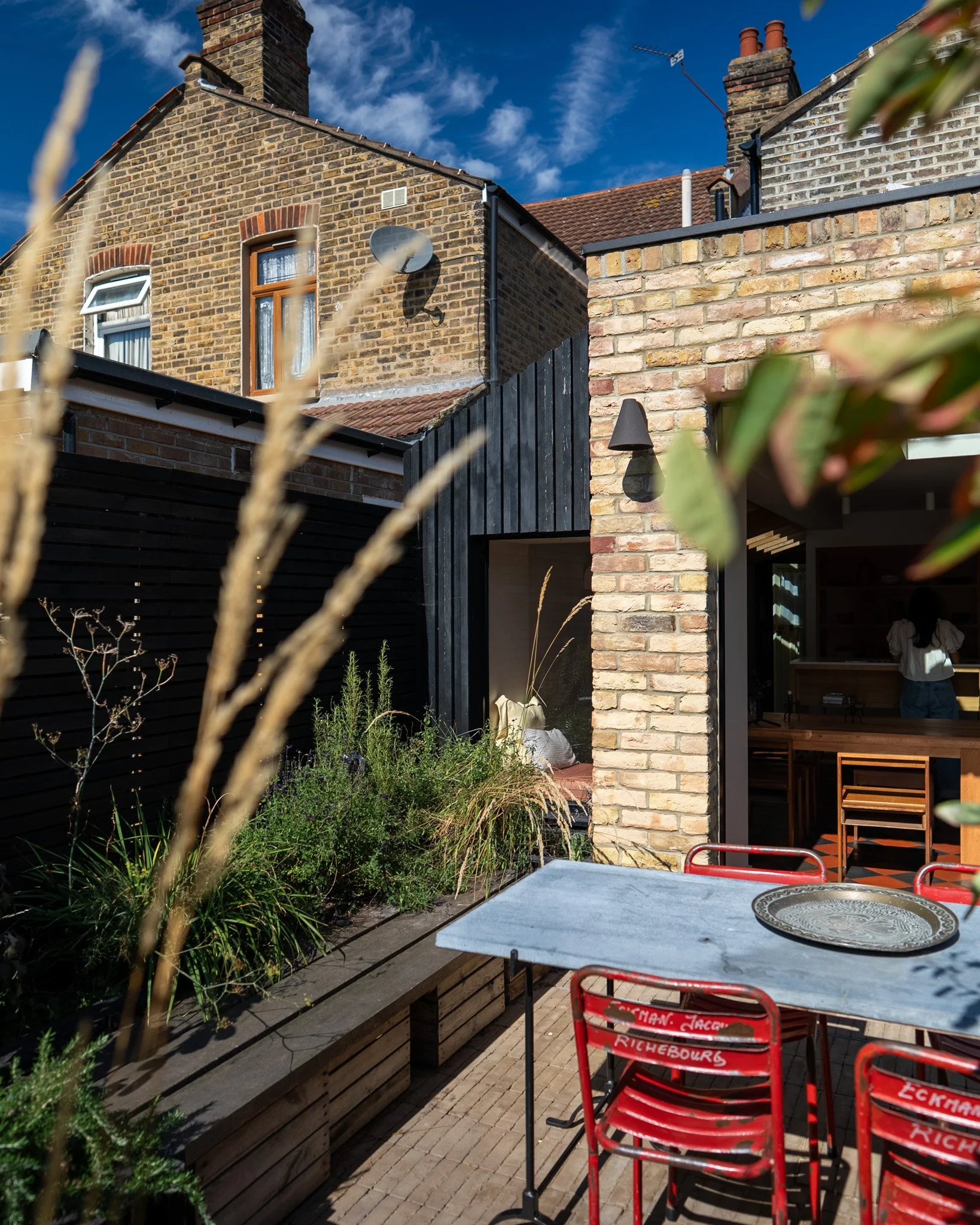
Slim frames recede into the background, allowing the garden to become a natural extension of the kitchen. The rear extension uses reclaimed brick to match the original home, while the side return is clad in charred timber — understated, minimal, and complementary.
Designing Garden & House Together
The garden was redesigned simultaneously with the architecture and interiors. Previously just lawn and a shed, it is now structured yet manageable.
“I’m very conscious that gardens are a lot of work,” Emily says. She advises clients to tackle landscaping during major renovations to avoid damaging finished interiors later.
Working with her landscape designer, who sparked a personal transformation. “I had no idea I was going to be a budding gardener… I love that we get a little piece of this in London. It feels like such a privilege.”
Practical Additions
A Hidden Downstairs WC
A compact powder room was introduced on the ground floor — an unexpected but welcome addition for guests. Finished in buttery yellow tones, it feels “dainty and delicate,” softening the overall palette.
Upstairs: Sanctuary & Function
Creating Calm During Chaos
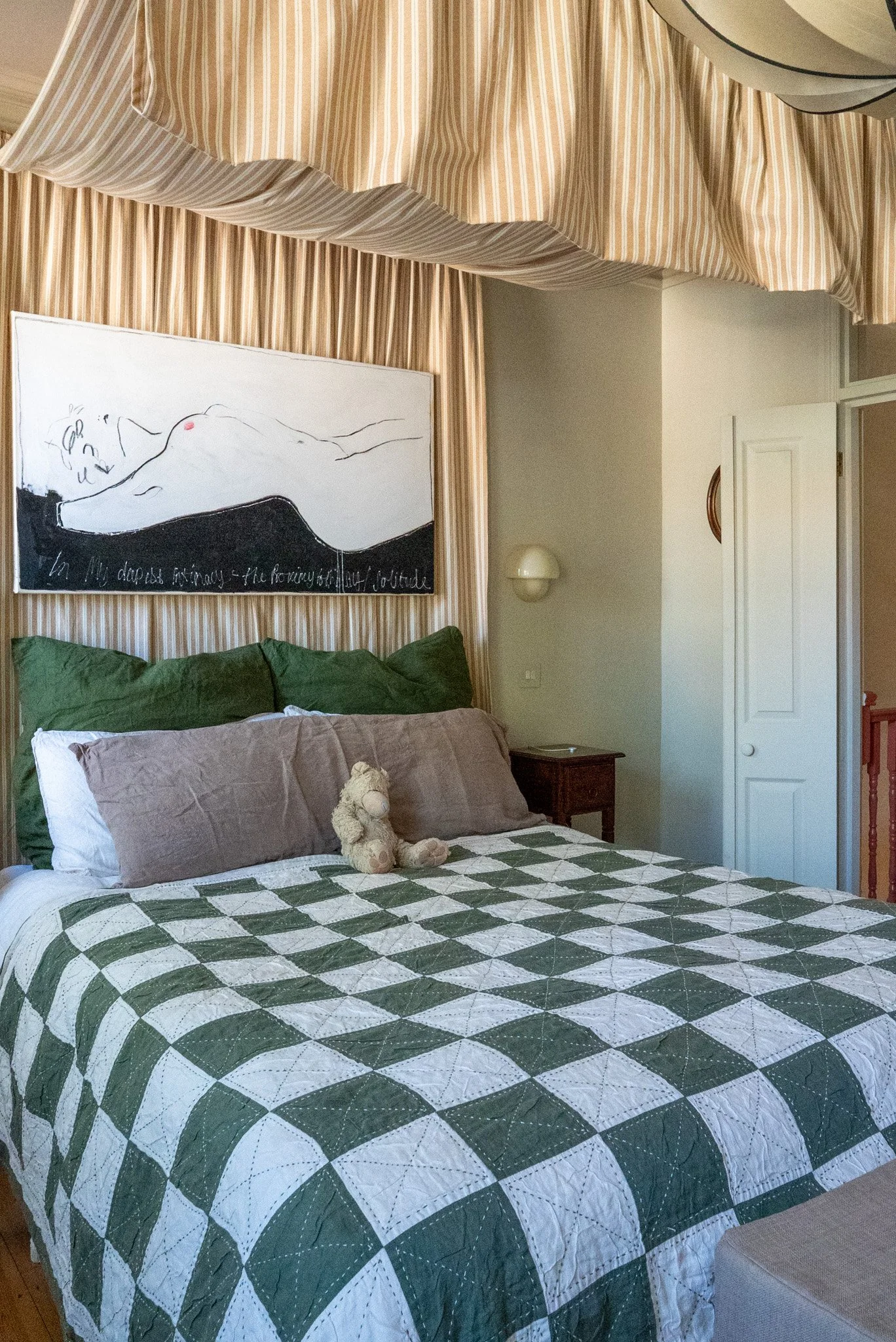
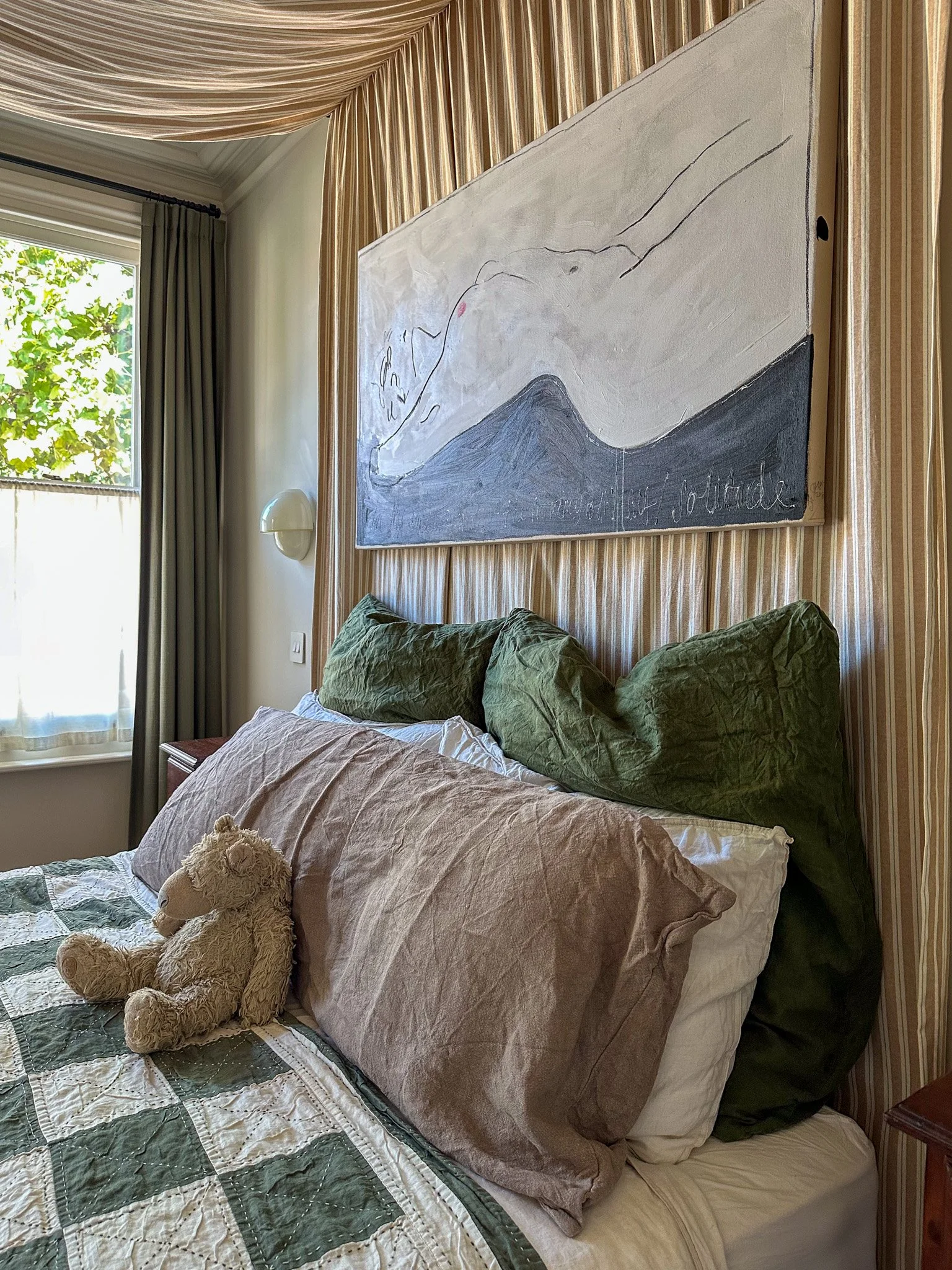
The main bedroom was completed before the extension began. “We wanted to do at least one room that we could recede and get some space to soothe ourselves in amongst the renovation chaos.”
Floors were sanded and restored, wallpaper removed, and IKEA Pax wardrobes customised for integrated storage.
“It gave us a lot of momentum… that we will get to the end eventually.”
Guest & Utility Spaces
A guest bedroom was prioritised early, reflecting the couple’s love of hosting.
A former bedroom at the rear now functions as a dedicated laundry space — a rare luxury in Victorian terraces. Sacrificing a bedroom created long-term practicality, keeping drying and folding away from social areas.
HomeInspire Downloads
Download Our Complete Renovation Handbook
A step-by-step guide to planning, designing, and delivering your dream home.
Planning your first renovation doesn’t have to be overwhelming. This 62-page step-by-step eBook guides you through every stage - from budgeting and planning to design, permissions, and finishing touches. Packed with expert advice, checklists, and cost guides, it helps you avoid mistakes, stay on track, and bring your dream home to life.
A Bathroom Designed to the Millimetre
“It’s not a really big space… but it packs a punch.”
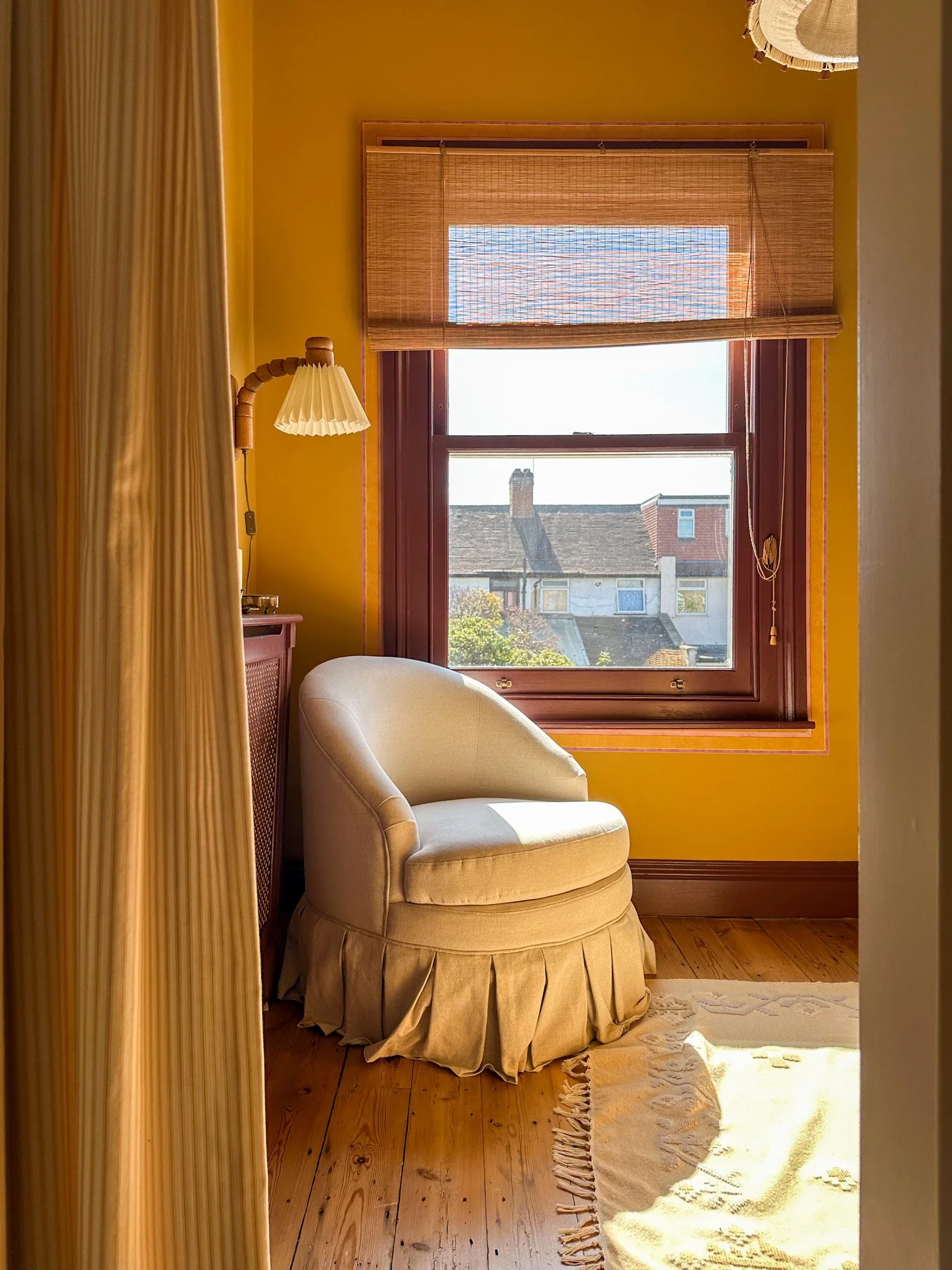
Every dimension in the primary bathroom was carefully calculated. Floor and walls are tiled in the same finish to visually enlarge the room, while a full mirrored wall with integrated demister reflects light and expands the sense of space.
Emily chose a shower curtain over glass. “I’m not a big shower screen fan because of lime scale and cleaning.” Fabric introduces softness in an otherwise hard-surfaced room.
Chrome sanitaryware replaces trend-led brass, balancing aesthetic ambition with budget awareness.
A Home Shaped by Thoughtfulness
What defines this London renovation is restraint. Repetition of materials. Sensible budgeting. Planning constraints embraced as opportunity.
The house, garden, and extension were conceived as one holistic project — resulting in a cohesive home that feels authentic to its Victorian roots yet entirely personal to its owners.
“I don’t necessarily think spending a lot of money is necessary to make your house feel like yours,” Emily reflects.
In this terrace, every decision — from quarry tiles to sliding doors — proves exactly that.
Project Info
Location: London.
See Emily Pun’s design firm here
Designed by Marilena Walton
Filmed & Produced by HomeInspire
Written by Dan Burge | Founder of HomeInspire
Video Statistics
YouTube Views: 370,000
YouTube Impressions: 4,800,000
Instagram & TikTok Views: 200,000
To see more, watch our full project tour on our YouTube channel!
Share This Story
Get in touch if you’d like to be featured on HomeInspire.
You May Also Be Interested In:
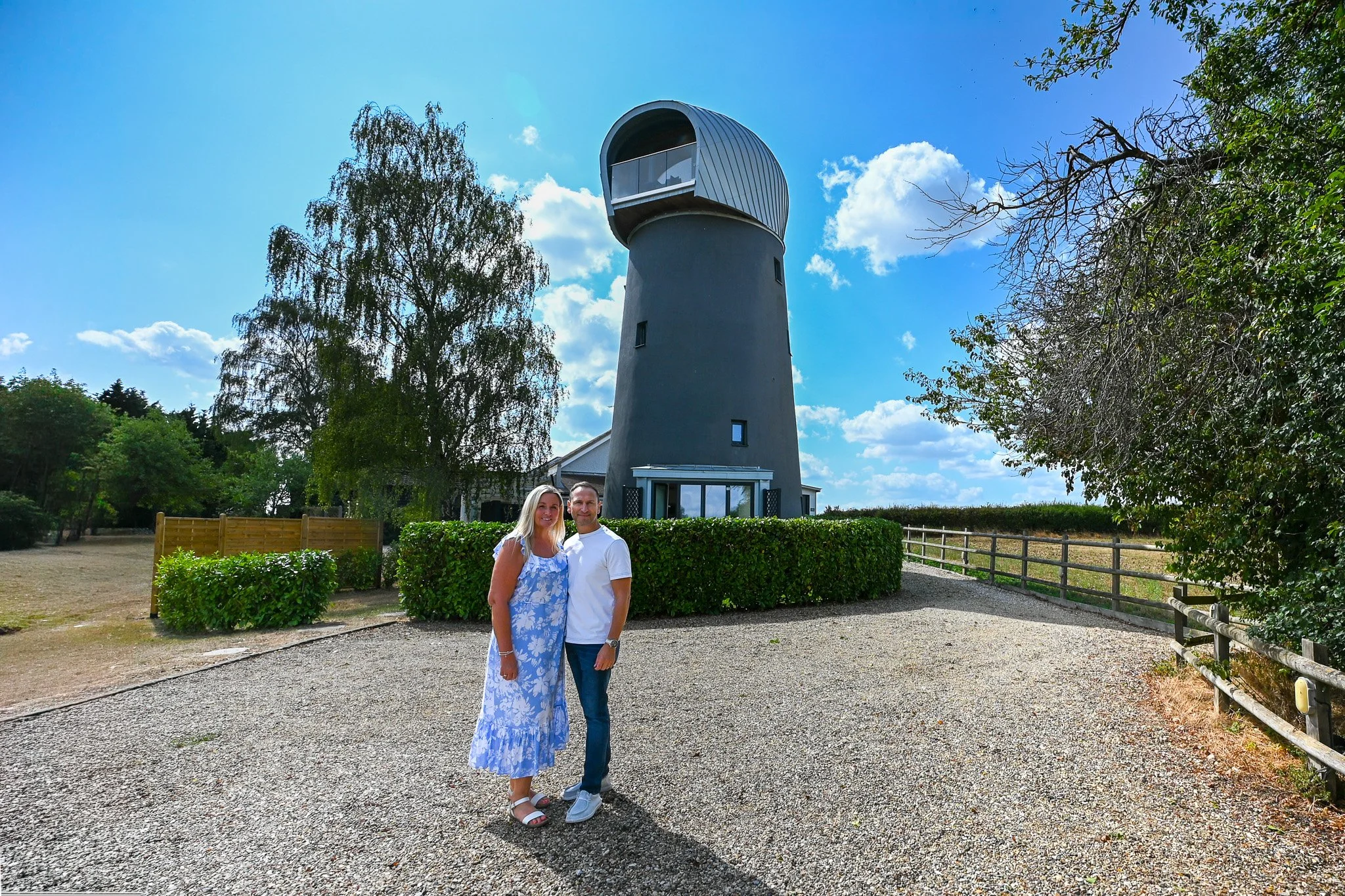
HomeInspire visited interior designer Natasha and her own home in Walthamstow, East London - a Victorian house she bought 26 years ago for £125,000, extended by 6 m along the side return and dug down for extra ceiling height, then colour blocked across walls, shutters, ceiling and floor. With shutters made from scaffolding boards, a yellow rubber kitchen floor and a copper pipe light inspired by the Tube map, the renovation has been built up room by room, turning a cold, run-down house into a home shaped by how Natasha actually lives in it.