
Interior Designers & Interior Design Studios Near Me
Discover Interior Designers working on homes across the UK, from single rooms and kitchens to full-house schemes and whole renovations.
The HomeInspire Directory brings together residential interior designers and interior design studios with a focus on considered, liveable design. Browse studios by location, see their work and find the designers behind some of the homes featured by HomeInspire.
Whether you're furnishing a new extension, reworking a tired layout, choosing finishes for a renovation or starting a whole house from scratch, our directory can help you find an interior designer whose style and way of working suits your project.
An interior designer works out how a space should be laid out, lit and finished, then specifies everything that goes into it and manages the ordering and installation.
Find an Interior Designer for your project
Full House Interior Design
A whole-house scheme keeps materials, colour and lighting consistent from room to room. Designers working this way usually come in early, alongside the architect, rather than at the decorating stage.
Kitchens & Bathrooms
Kitchens and bathrooms carry the most decisions per square metre. An interior designer can plan the layout, specify units, surfaces, brassware and lighting, and coordinate with the kitchen company and your builder.
Extensions & Renovations
On an extension or renovation, the interior designer picks up where the structural design leaves off: joinery, storage, flooring, lighting design, finishes and how the new space reads against the old.
Period & Listed Homes
Older homes need a designer comfortable working with existing features, awkward proportions and original fabric, and with sourcing finishes that sit well against them.
Furniture, Lighting & Styling
Some studios offer a lighter service: a furniture and finishes scheme, a lighting plan, or a styling package for a house that's already been built or renovated.
New Build Homes
On a new build, an interior designer can set the material palette early, so joinery, lighting and finishes are decided before they need to be ordered rather than after.
Add your business to the HomeInspire Directory
Get your business discovered by homeowners planning their next project.
Join the HomeInspire Directory today. As we continue to feature exceptional homes and businesses across the UK, Directory members are in the best position to be discovered by our audience.
Want to find out more? Download our HomeInspire Directory Media Pack for membership benefits & prices.
Find Interior Designers Near You
Most people start by looking for an interior designer close to home. A local studio knows the housing stock, has trades and suppliers it works with regularly, and can get to site when something needs a decision in person. Plenty of studios also work nationally, so don't rule out a designer whose work you like because of the postcode.
Interior Designers in London
London has the largest concentration of residential interior designers in the UK, working on everything from one-bed flat refurbishments to full townhouse renovations. Victorian and Edwardian terraces, period conversions and new-build apartments each come with their own constraints, and most London studios specialise in one or two of them.
If you're renovating in London, look for a designer who has worked on your type of property and in your borough. Experience with leasehold consents, party wall situations and conservation areas saves time later.
Interior Designers in Manchester & the North West
Manchester, Cheshire and the surrounding towns mix red-brick terraces and semis with converted mills and warehouse apartments. Studios here often work across both.
Interior Designers in Birmingham & the Midlands
Large interwar and Victorian housing stock, plus a steady run of extension and loft projects. Look for designers who regularly work alongside builders on live sites.
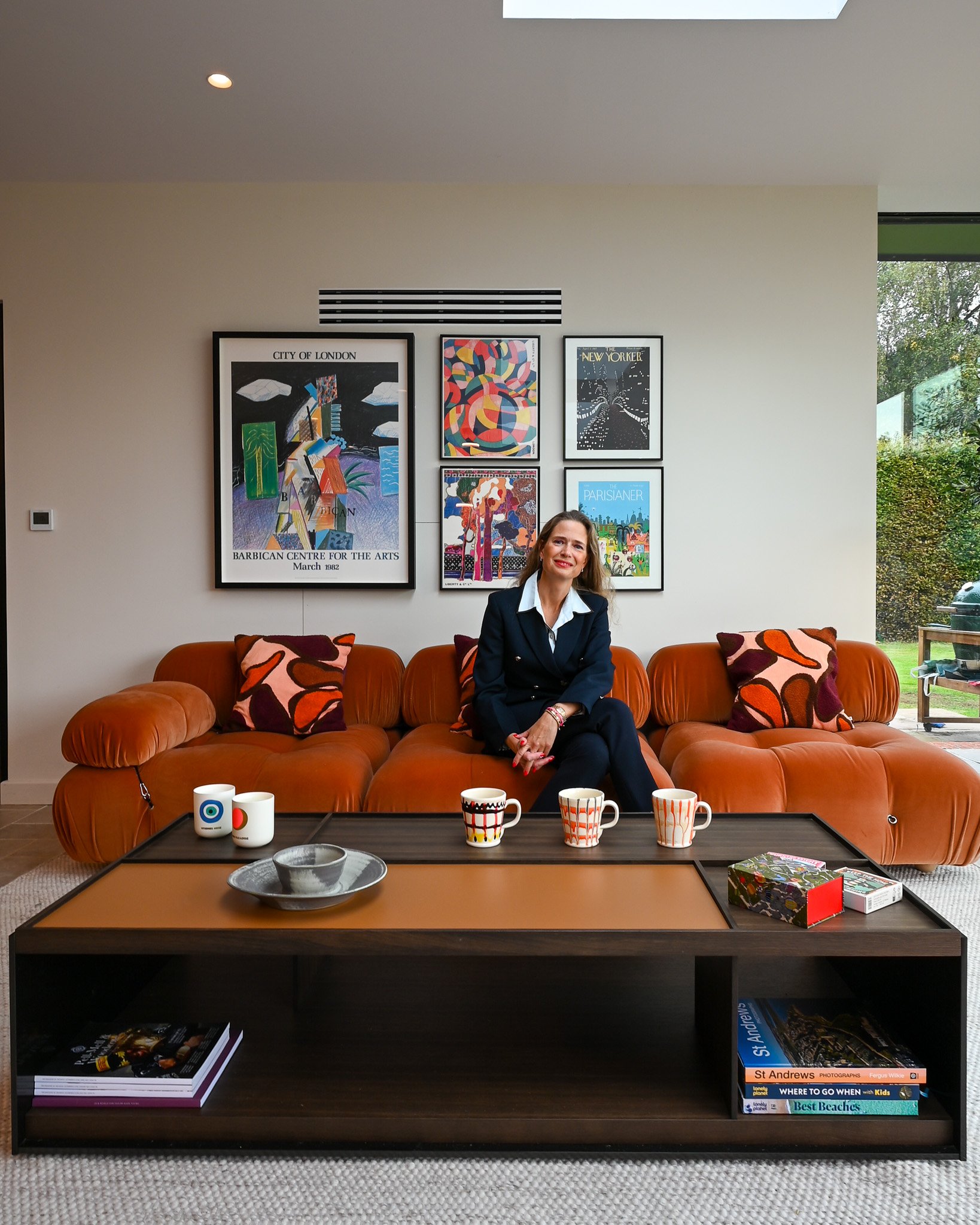
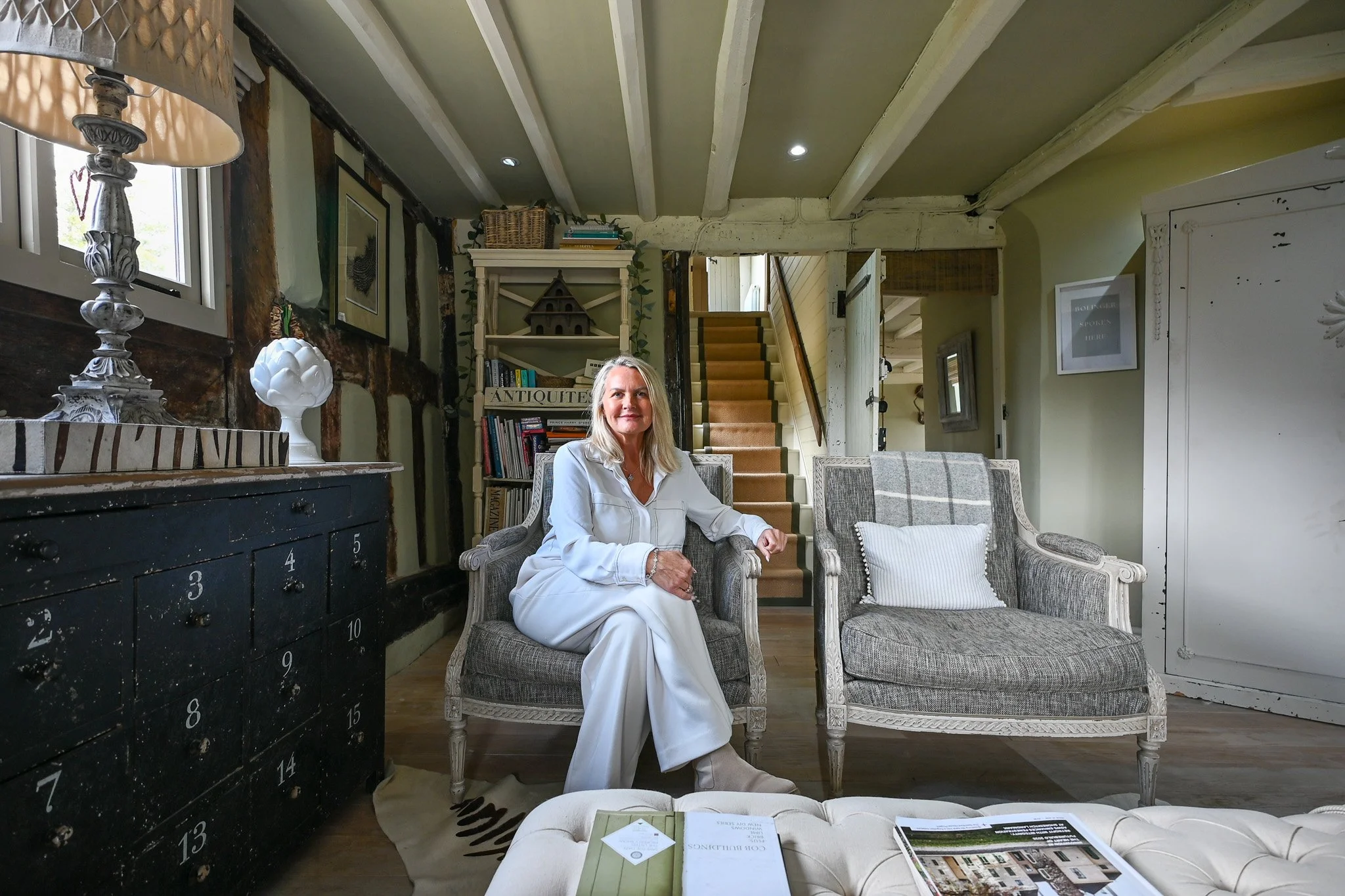
Claudia Dorsch of Claudia Dorsch Interiors
Interior Designers in Bristol & the South West
Bristol's Georgian and Victorian terraces, Bath's listed stone houses and the rural South West each ask for a different approach. Many studios here specialise in period homes.
Interior Designers in Edinburgh & Scotland
Tenement flats, New Town townhouses and rural stone properties dominate. Listed building consent is common in central Edinburgh, so local experience counts.
Interior Designers in Leeds & Yorkshire
Stone-built terraces and farmhouses, converted barns and a growing number of contemporary extensions. Studios often cover Leeds, Harrogate, York and the Dales.
Interior Designers in Brighton, Surrey & Sussex
Seafront flats, Victorian terraces and larger family houses across the commuter belt. Plenty of designers in this area also take on London projects.
Interior Designers in the Cotswolds & Oxfordshire
Stone cottages, farmhouses and barn conversions, often listed. Designers working here tend to be used to sourcing finishes that sit well against original fabric.
How to choose an Interior Designer
Look at completed projects, not mood boards. Finished rooms show how a studio handles joinery, lighting and the details that only appear on site. Browse the featured projects above and each studio's portfolio.
Check the style actually suits you. Most designers have a recognisable look. Hiring one whose work you admire but don't want to live in is the most common mistake people make.
Ask what the service includes. Some studios stop at a design scheme and a shopping list. Others specify everything, place the orders, manage deliveries and install. The fee difference is largely the difference between the two.
Ask how they charge, and about trade discounts. Fees come as hourly rates, a fixed fee per room or project, or a percentage. Ask what happens to any trade discount on furniture and finishes — some studios pass it on, some keep part of it as margin.
Check qualifications and membership. "Interior designer" isn't a protected title in the UK, unlike "architect". Membership of the BIID or SBID, or a relevant degree, tells you something about training, though a strong portfolio and good references matter more.
Agree a budget before the design starts. A designer who knows your furnishing budget specifies to it. One who doesn't will present a scheme you then have to unpick.
Ask who you'll actually be working with. In larger studios the person who pitches isn't always the person who runs your project.
Check how they work with your builder and architect. On a renovation, the interior designer has to coordinate with both. Ask how they handle site meetings and who holds the drawings.
Interior Designer FAQs
-
An interior designer plans how a space works and how it looks: layout, lighting, joinery, materials, colour and furniture. On a full service they also specify and order everything, coordinate with your builder and manage the installation.
-
Fees vary widely by studio, location and the service included. They're usually quoted as an hourly rate, a fixed fee per room or project, or a percentage of the furnishing or project budget. Published hourly rates range from around £75 to £250 and higher in central London, and whole-house schemes are commonly quoted in the thousands rather than hundreds. Ask each studio for a written fee proposal so you can compare like for like, and check whether trade discounts are passed on.
-
An interior designer works on how a space functions as well as how it looks, often including layout changes, joinery and lighting design. A decorator or stylist works mainly with finishes, furniture and soft furnishings in a space that isn't changing structurally.
-
No. Anyone can use the title, unlike "architect", which is protected and requires ARB registration. Judge designers on their portfolio, references and experience. Membership of the British Institute of Interior Design (BIID) or the Society of British and International Design (SBID) is a useful additional signal.
-
Browse the HomeInspire Directory by location, look at the homes each studio has worked on, and shortlist two or three to speak to. A designer who works regularly in your area will already have trades and suppliers they trust nearby.
-
Earlier than most people do. If your project involves building work, bring a designer in at the same time as the architect or shortly after. Decisions about lighting, sockets, joinery and plumbing positions are much cheaper to make on paper than on site.
-
Yes, and on most renovations they should. The architect handles the building, the interior designer handles what goes inside it. Agree early who is responsible for lighting design and joinery, as that's where the two roles overlap.
-
Many do, as part of a full service. They'll specify, place orders, track deliveries, arrange storage and install. Some studios charge a procurement fee or take a margin on the trade price, so ask how this is handled before you sign.
-
A single room can take a few weeks to design and a few months to deliver, largely because of lead times on furniture and joinery. A whole-house project running alongside building work usually runs over several months to a year.
-
Ask about similar projects they've completed, what's included at each stage, how fees are structured, how they handle trade discounts, who will run your project day to day, what they need from you, and a realistic timeline.
