
Free Home Renovation Guide 2026: Download Our Step-by-Step Checklist.
Renovate with a plan, not a guess.
Download our free UK home renovation guide. Covering planning permission, how to find an architect, build costs, contractor advice and a complete renovation checklist. Trusted by thousands of homeowners.
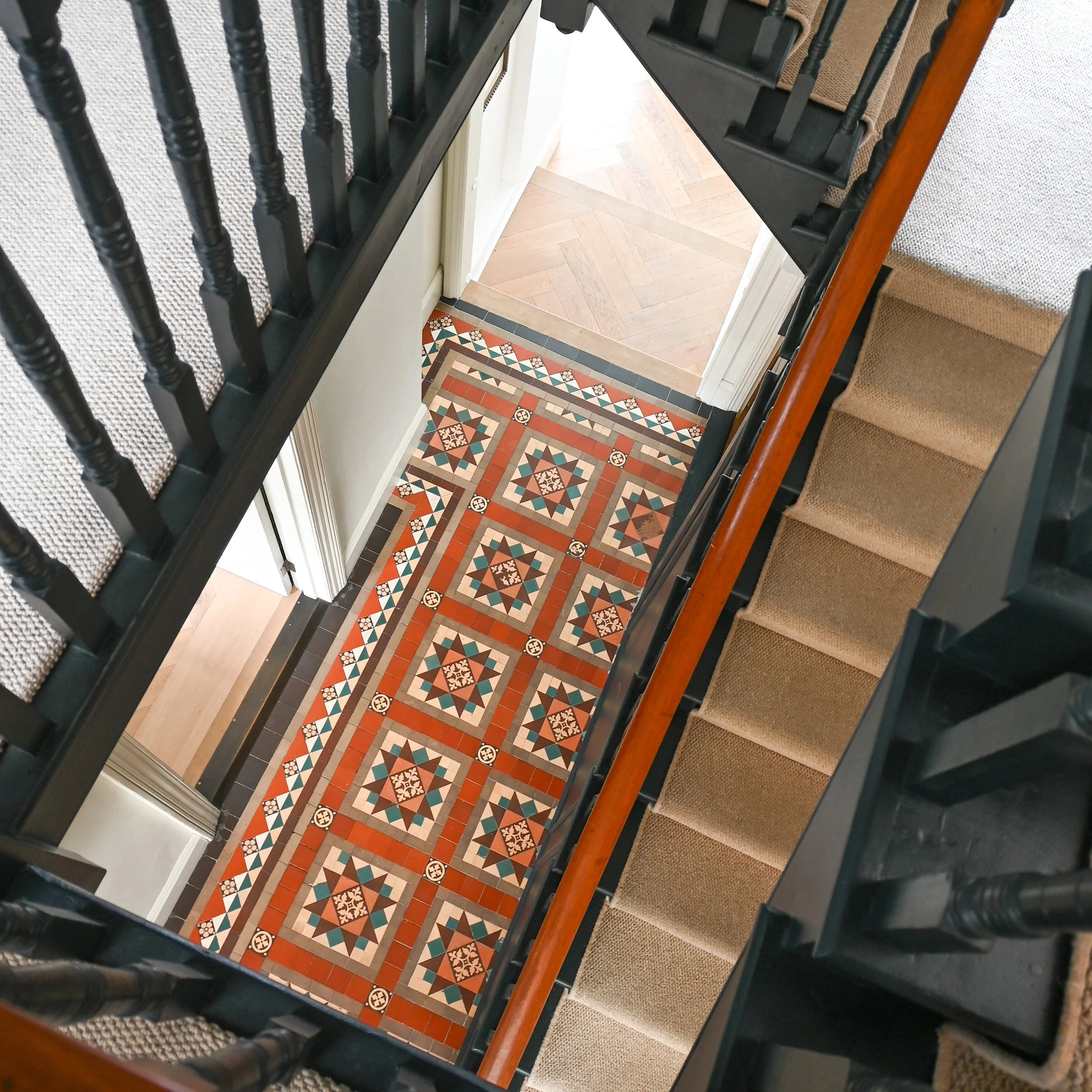
The free guide gets you started. Our Complete Renovation e-book is our 62-page handbook - every chapter, every checklist, every cost table, for the whole project from first sketch to snagging list.
Looking for something more?
Why This Guide?
Most homeowners begin their renovation with a mood board and a rough budget - and discover too late that they've skipped the steps that actually protect them. Wrong contractor chosen. Planning permission overlooked. Budget blown before the structural stage is complete.
This guide was put together by architectural designers who've worked inside UK residential practices. It covers every stage in plain English — from deciding whether you need an architect, to what a schedule of works should include, to what to look for on your snagging list. It's the professional framework, free.
Most renovations go wrong before work even starts.
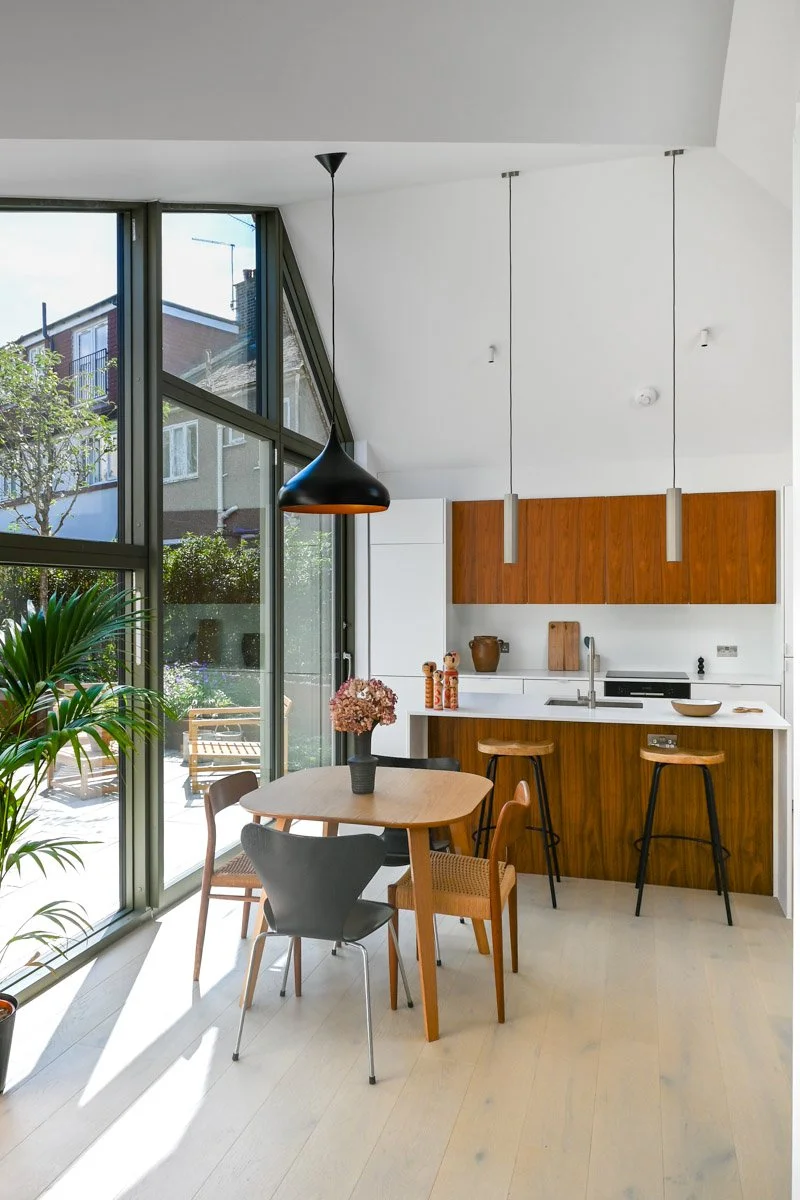
What’s Inside?
11 chapters. Every stage covered.
From initial assessment through to finishing touches and your renovation checklist.
Renovation Assessment
How to walk through your home objectively, identify what actually needs doing, and prioritise based on budget and purpose.
How Much Will It Cost?
Real 2026 build cost data for extensions, loft conversions, basements, kitchens, bathrooms and internal refurbishments.
Planning Permission
What requires permission, what falls under permitted development, how to apply, and how long it typically takes.
Finding a Builder
How to source, vet, and compare contractors - and why going for the cheapest almost always costs more in the long run.
Do You Need an Architect?
When an architect adds real value, how to find one, what to expect from the process, and questions to ask before appointing.
Schedule of Works
How to build a realistic project timeline, allocate phases correctly, and build in contingency before work begins.
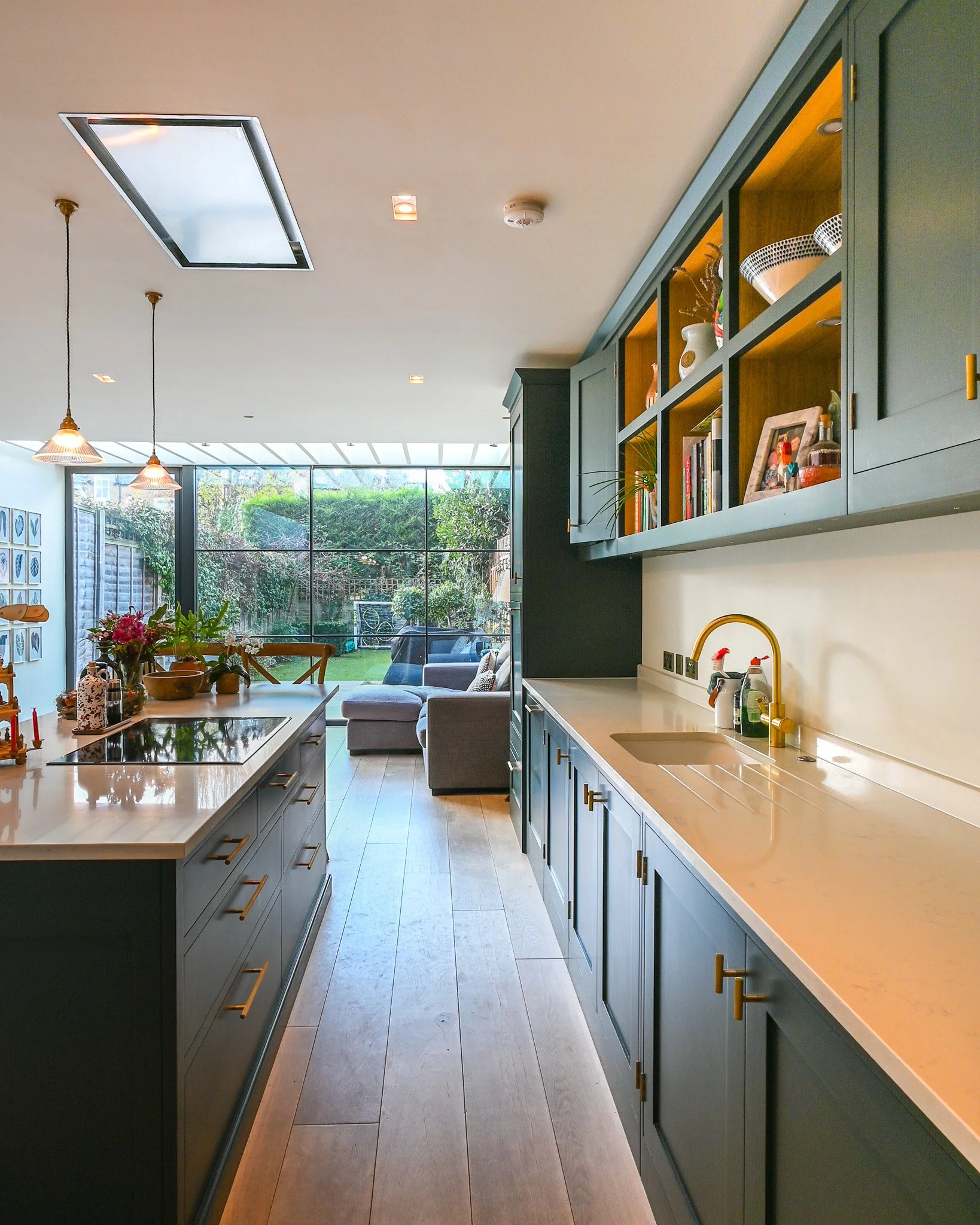
Getting Started
Finalising materials and design decisions, preparing the space, and making sure permits are in place before day one.
Finishing Touches
Fixtures, fittings, interior design decisions, and the final details that make a renovation feel complete.
Final Stages
Documenting material choices, noting warranties, and setting up a maintenance schedule to protect your investment.
Renovation Checklist
A full visual checklist spanning Getting Started, Design & Approvals, Construction, Interior Elements, and Build & Snagging.
The Snagging Process
How to conduct a thorough inspection, create a snagging list, and ensure everything is resolved before sign-off.
The free guide gets you started. Our Complete Renovation Handbook is the 62-page version - every chapter, every checklist, every cost table, for the whole project from first sketch to snagging list.
Ready to go deeper?
What’s Inside the Handbook
Chapter Overview / Table of Contents:
Chapter 1 – Planning Your Renovation: Defining goals, budgets, costs (including sqm rates), assembling a team, and planning your timeline.
Chapter 2 – Designing Your Home: Layouts, lights, style & finishes, working with Architects , RIBA stages of work and professional fee guidance.
Chapter 3 – Permissions & Regulations: Planning permission, building regulations, party wall agreements, listed building consent, realistic timelines, preparing your home and a permissions & legal checklist.
Chapter 4 – The Build: Before the build, demolition & structural work, the hidden works, finishes & interiors, snagging (+ a snagging checklist) and moving in.
Chapter 5 – Living In Your New Home: Styling, Interiors, Maintenance, Lessons Learned & Conclusion.
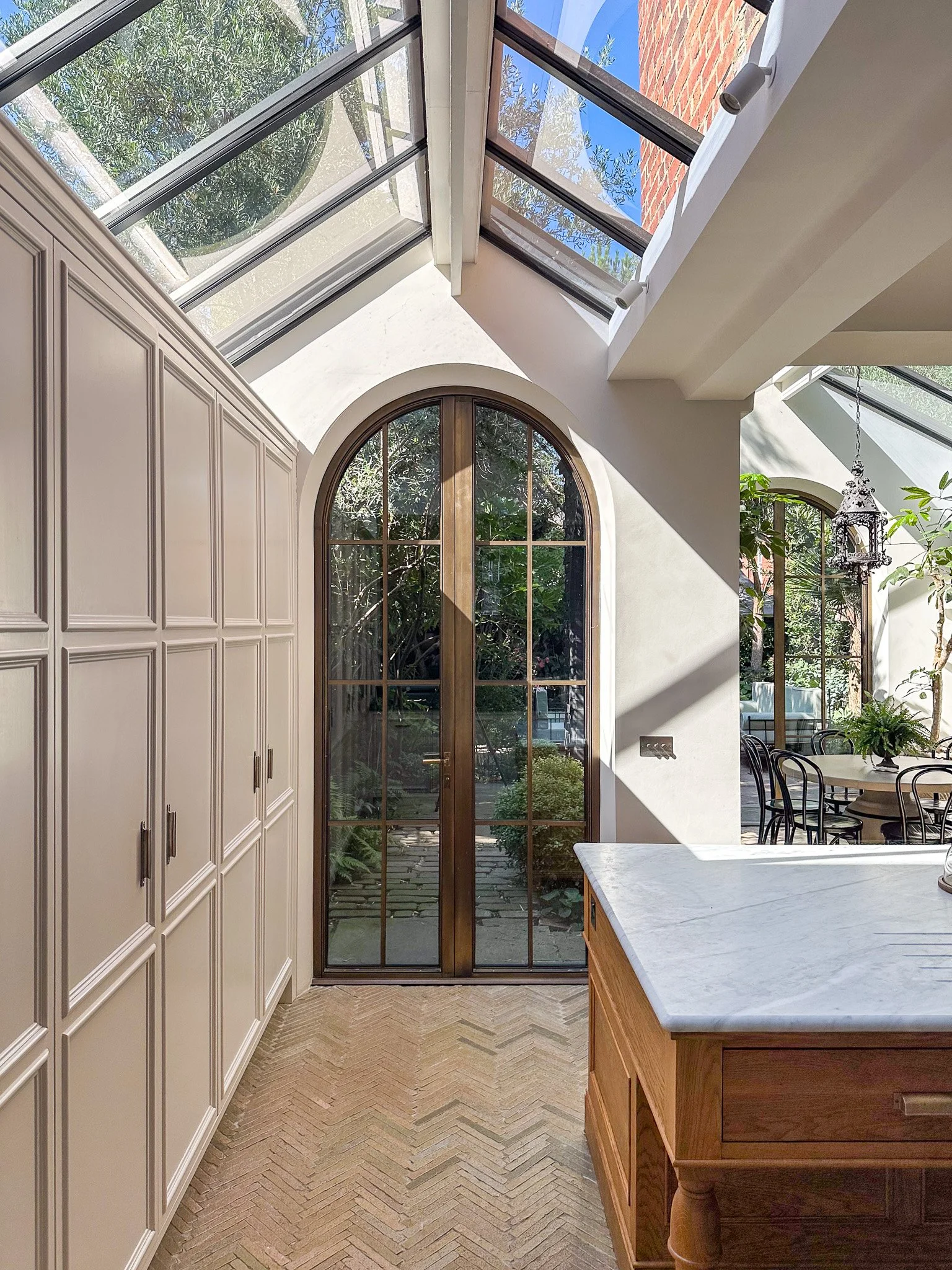
How to Plan a Home Renovation in the UK
Planning a home renovation is one of the most significant decisions a homeowner will make. Whether you're extending, converting a loft, reconfiguring a layout, or undertaking a full refurbishment, the difference between a successful project and a costly one almost always comes down to how well you planned before work started.
This guide walks you through the full process — from the initial assessment of your property through to the snagging list and final sign-off.
Before you speak to a single contractor or architect, walk through your home room by room with fresh eyes. What actually needs to change? What's cosmetic, and what's structural? What's driving the renovation — more space, better flow, increased value, or all three?
Separating what you want from what you need at this stage will save you significant money further down the line. Projects that begin with a clear brief end with fewer surprises.
Start With an Honest Assessment
Do You Actually Need an Architect?
Not every renovation requires one, but for anything involving structural changes, extensions, loft conversions, or planning applications, an architect or architectural designer adds genuine value — not just in design terms, but in navigating the process itself.
A good architect will assess existing conditions, develop detailed plans and drawings, assist with planning applications, and coordinate with structural engineers and contractors. Fees typically fall between 8–12% of the overall project cost, which is significant — but so is the cost of getting the design wrong.
If your project is more straightforward, an architectural technologist or design-and-build contractor may be sufficient.
UK Home Renovation Costs in 2026
Build costs in the UK continue to vary considerably depending on location, specification, and contractor. The figures below are indicative rates based on London and South East projects — costs elsewhere will generally be lower.
Project Type
Single storey extension: £3,000 – £3,500 per m²
Additional storey extension: £1,200 – £1,600 per m²
Loft conversion: £1,500 – £2,500 per m²
Basement (under house): £3,000 – £4,500 per m²
Major structural opening: £5,000 – £15,000 per opening
New bathroom (mid-range): £5,000 +
New kitchen (mid-range): £15,000 +
Internal refurb – layout changes: £1,000 – £1,400 per m²
These figures are indicative only and based on average 2025/2026 London rates. Costs will vary significantly depending on specification, location and contractor. HomeInspire accepts no responsibility for cost outcomes - we recommend always obtaining at least three detailed quotes.
Want to go deeper?
Our Ultimate Home Renovation Planner gives you 10 spreadsheet tabs to track every cost, compare builder quotes, and manage your full project timeline. Download here.
Professional and Statutory Fees
Build costs are only part of the picture. Before work starts, you'll likely need to budget for some or all of the following:
Architect fees: 8–12% of build cost
Structural engineer: £1,000–£3,000+
Party wall surveyor (if applicable): £900–£2,000+
Householder planning application: £258
Building control: £900–£1,500
These are often overlooked in early budgeting and can add 15–20% on top of your contractor quotes.
Understanding Planning Permission
Planning permission is one of the areas homeowners find most confusing — and most consequential if they get it wrong. Not all renovation work requires it. Many projects fall under permitted development rights, which allow certain types of work to proceed without a formal application.
Generally, internal works and minor alterations don't require planning permission. Extensions, loft conversions, and structural alterations typically do — but thresholds depend on your specific property, its location, and whether it's in a conservation area or is listed.
The safest approach is to check with your local planning authority or consult a planning consultant before any significant work begins. Submitting a lawful development certificate application is often worthwhile even for permitted development projects, as it provides a formal record if you ever come to sell.
Most householder planning applications take 8 weeks. More complex submissions can take up to 13 weeks.
How to Find and Appoint the Right Builder
Finding a reliable contractor is where many renovations come unstuck. The cheapest quote rarely represents the best value — and recovering from poor workmanship is almost always more expensive than paying a little more upfront for quality.
Start with recommendations from people who have recently completed similar projects. Review portfolios, verify insurance and any relevant accreditations, and always ask for references from past clients. When you receive quotes, compare them in detail — not just the headline figure, but what's included, what's excluded, and the assumptions being made.
Get at least three quotes before appointing anyone. The variation between them will tell you a great deal about the market and about each contractor.
What Is a Schedule of Works?
A schedule of works is a document that breaks your renovation down into phases — preparation, demolition, structural work, electrical and plumbing, construction and finishing, and final cleanup. It assigns timeframes to each phase and creates a shared reference point between you, your architect, and your contractor.
If you've appointed an architect, they will typically produce this for you. If you're managing the project yourself, it's worth investing time in creating one before work starts. Build in contingency — most projects encounter at least one unforeseen delay, whether due to material lead times, structural discoveries, or contractor availability.
The Snagging Process: Don't Skip It
Snagging is the process of identifying and recording defects, incomplete work, or quality issues before you sign off on the project. It happens after the main works are complete but before final payment is made.
Walk through every room methodically. Look at surfaces, finishes, junctions, fixtures, and installations. Photograph everything. Create a written snagging list organised by room, share it with your contractor, agree timelines for resolution, and only sign off once you're satisfied.
It's one of the most important steps in the process — and one of the most frequently rushed.
-
Not always. Many extensions fall under permitted development rights and don't require a formal application — but limits apply based on the size, position, and type of extension, and whether your property has any existing restrictions. It's always worth checking with your local planning authority before proceeding.
-
It depends heavily on the scale and complexity of the project. A single-room refurbishment might take a few weeks. A full house renovation or extension project typically takes 3–12 months, including the design and planning phase before work starts. Always build contingency into your timeline.
-
Start with personal recommendations from friends, family, or neighbours who have recently completed similar projects. Review portfolios, verify insurance, check references, and always get at least three detailed quotes before appointing anyone. Never pay a large upfront sum before work begins.
-
Permitted development rights allow homeowners to carry out certain types of building work without applying for planning permission. The permitted limits vary depending on the type of work, your property type, and its location. Properties in conservation areas, national parks, or with Article 4 directions may have reduced permitted development rights.
-
A rough rule of thumb is to budget a contingency of 10–20% on top of your contractor quotes, and to factor in professional and statutory fees (architect, structural engineer, building control, planning application) which are often overlooked in early planning. Build cost data in our free guide gives a detailed breakdown by project type.
-
A snagging list is a record of defects, incomplete work, or quality issues identified at the end of a renovation project. It's created before final sign-off and final payment, and gives your contractor a clear brief of what needs to be resolved. Never skip this step.
Frequently Asked Questions
Testimonials
"We went into our first renovation completely clueless, but this guide broke everything down - budgets, timelines, what to watch out for - in a way that finally made sense. We avoided mistakes we didn't even know existed."
- Sarah & mark. London."The cost breakdown alone was worth it. I'd been completely in the dark about what everything was actually going to cost. Having realistic figures to work with from the start changed everything."
- James. Manchester."I didn't realise I needed to check permitted development rules before appointing a contractor. This guide flagged it before I made an expensive mistake."
- CLaire. Bristol.