
How Long-Form Renovation Content Builds Brand Authority
In a content landscape saturated with quick Instagram reels and fast-scroll Pinterest boards, long-form renovation content has quietly become one of the most powerful tools available to design studios, architects, and building suppliers trying to build genuine authority in the UK market. While short-form content has its place in keeping an audience warm and engaged, it's the depth and substance of long-form content that actually converts browsers into believers and believers into clients.
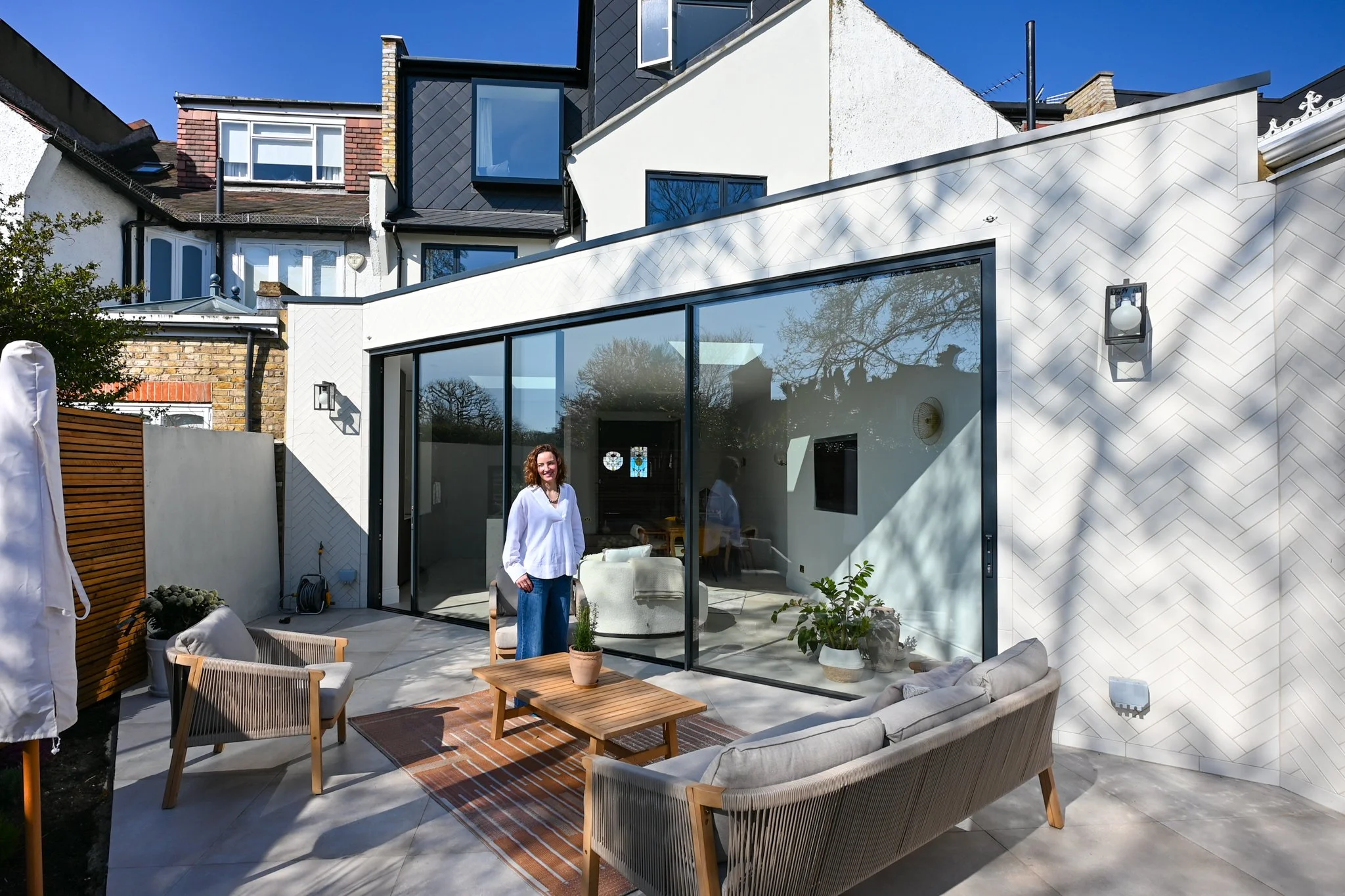
Modern home renovation with contemporary rear extension and large glass windows showcasing architectural design in the UK
What Long-Form Renovation Content Actually Means
Long-form renovation content isn't simply a longer blog post. It's a commitment to telling the full story of a project, including the brief, the constraints, the decisions made along the way, and the outcome. It's the difference between a finished photograph and a complete narrative. For homeowners planning their own renovations, that depth of detail is enormously valuable. For architects and suppliers marketing to specifiers and developers, it's proof of expertise that no brochure can replicate. The most effective long-form renovation content typically includes professional photography, a written account of the design and build process, detail on the materials and products specified, and the perspectives of the people involved, whether they are the architect, contractor, homeowner. Together, these elements create something that functions simultaneously as inspiration, education, and a highly credible case study. Publications like Dezeen and the Architectural Review have long understood this. Their most-read project features are almost always the ones that go deepest into process and detail, rather than simply presenting a finished scheme.
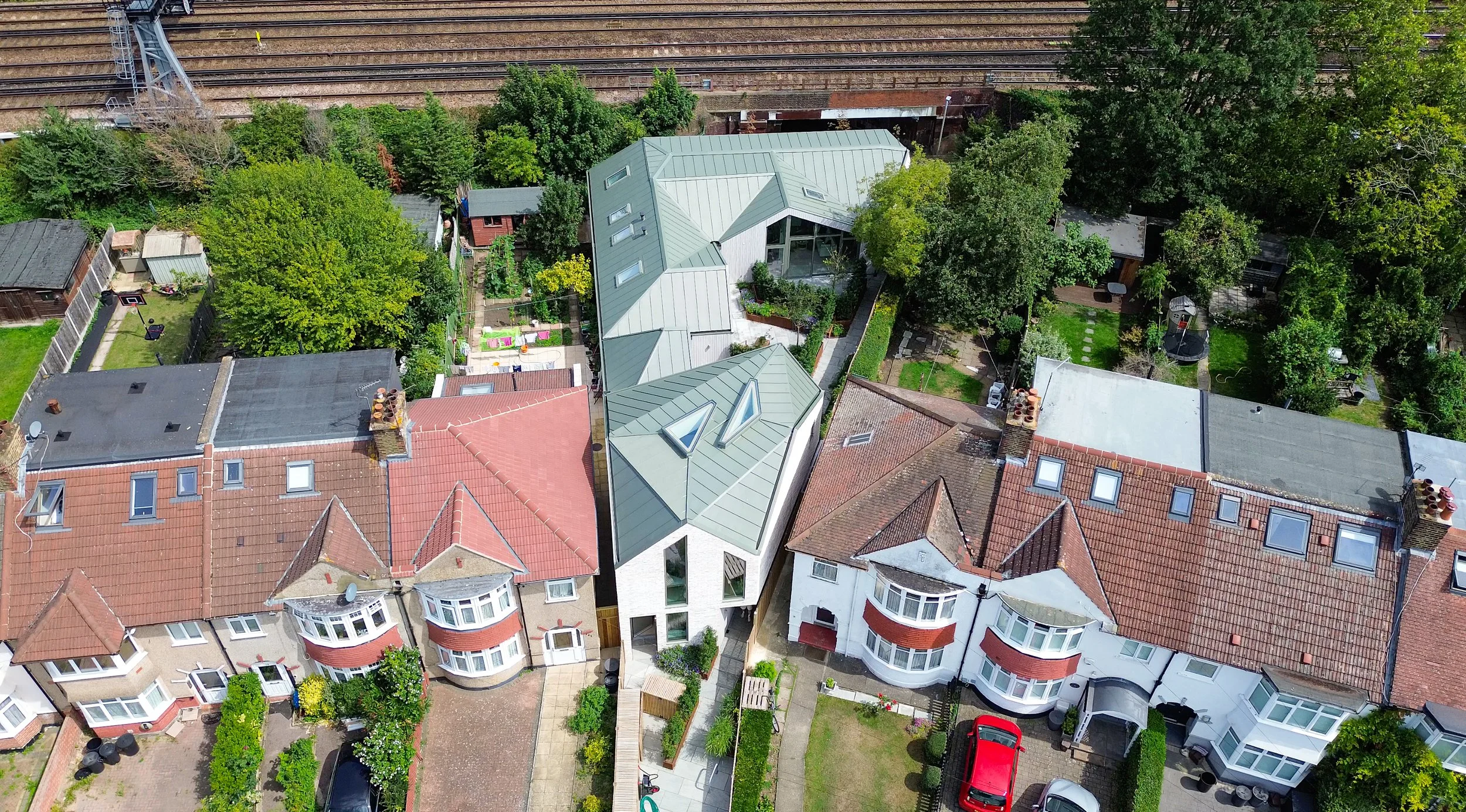
Aerial view of residential renovation project highlighting modern architecture and property design in a UK neighbourhood
Why It Builds Authority Where Short-Form Cannot
Authority in any field is built on demonstrated expertise over time. A single Instagram post, however beautiful, contributes very little to that process. Long-form content, by contrast, signals investment in craft, in communication, and in the audience's intelligence. When a design studio or building supplier consistently publishes detailed, well-produced renovation content, it sends a clear message to potential clients: these people know what they're doing, and they're willing to show their work. From a renovation marketing strategy UK perspective, there's also a significant SEO dimension. Long-form content targeting specific, relevant search terms continues to drive organic traffic for months and years after publication, creating a compounding return on investment that short-form content simply cannot match. A well-optimised project case study published today could be generating qualified enquiries two years from now. Organisations like the Royal Institute of British Architects and the Design Council have both highlighted the growing importance of digital content strategies for practices of all sizes, a recognition that visibility online is no longer optional for studios that want to compete.
Process Marketing as a Long-Term Brand Strategy
The studios and suppliers gaining the most traction through content are those that have embraced process marketing for design studios — making the thinking and decision-making behind their work as visible as the finished result. Documenting not just what was built, but why specific choices were made, how challenges were resolved, and what the experience was like for the people involved, creates content that is both deeply interesting and deeply persuasive. Industry platforms like Dezeen, Homes & Gardens, and Grand Designs Magazine consistently demonstrate the appetite for this kind of storytelling — their most engaged content is almost always project-led, process-rich, and human in its perspective.

Residential street with renovated homes and contemporary extension illustrating modern architecture and design transformation
Where HomeInspire Fits In
HomeInspire was built around exactly this philosophy. Every feature published on the platform is designed to go beyond surface-level inspiration — telling the real story behind a renovation or design project with the depth, photography, and narrative quality that builds genuine trust with readers. With over a million engaged monthly visitors drawn from across the UK's homeowner, architect, and design professional community, HomeInspire provides the editorial environment and the ready-made audience that most studios and suppliers would otherwise spend years trying to build independently. For brands and studios serious about long-form renovation content, a partnership with HomeInspire removes the two biggest barriers to getting it right: the platform and the audience. Your project stories are produced to a consistent editorial standard, published within a trusted content environment, and placed in front of readers who are actively seeking the kind of inspiration and expertise you can offer. It's content marketing that works from day one, not after months of building an audience from scratch.
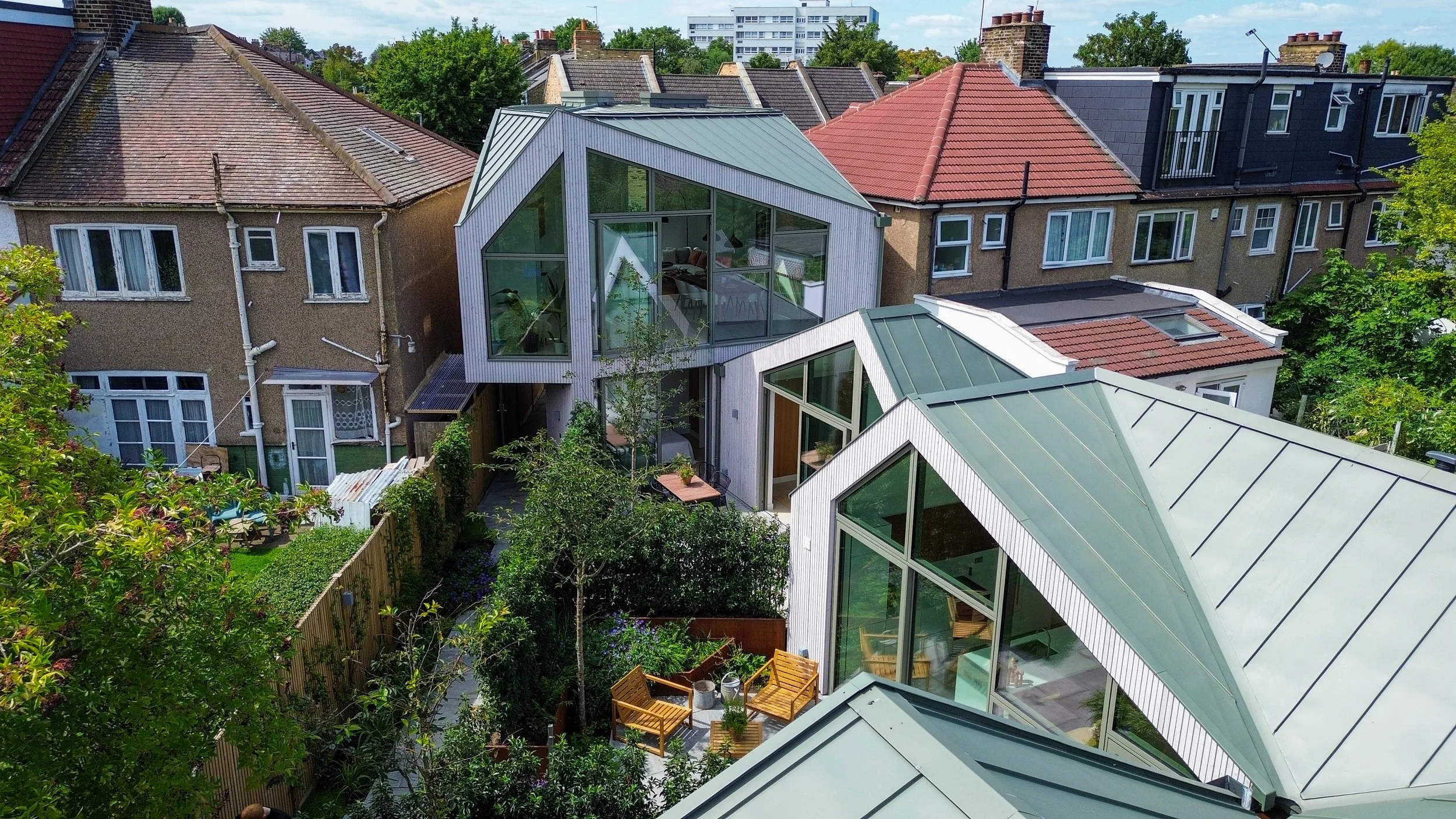
Landscaped garden area of a renovated home featuring outdoor seating and modern architectural extension
The Bottom Line
Long-form renovation content is not a quick win. It requires investment, consistency, and a genuine commitment to quality storytelling. But for design studios, architects, and building suppliers serious about building brand authority in a competitive market, it remains one of the highest-return marketing strategies available. The brands that commit to it now will be the ones with the strongest, most trusted voices in the UK renovation space for years to come.
Ready to tell your project story to an audience that's already listening?
Get in touch with us to explore our media packs and discover how HomeInspire can support you in creating long-form content that builds real authority for your brand.
