
What Editors Look for in a Renovation Feature
Landing a renovation feature in a respected publication is one of the most effective ways to build credibility for your architecture firm or business. But editorial teams receive far more submissions than they can ever publish, so understanding what editors are actually looking for can make the difference between a commission and a polite rejection. Whether you're an architect hoping to showcase a completed scheme or a building product supplier looking to understand how to get featured in a UK architecture magazine, the criteria for editorial coverwge is usually more consistent than you might think.
A Strong Visual Story Comes First
Renovation features live and die on imagery. Editorial features need a compelling set of professional photographs that capture not just the finished result, but the atmosphere, the detail, and the transformation. Before-and-after shots are particularly valuable as they provide narrative tension and immediately communicate the scale of the work involved.
If your photography isn't up to standard, even the most interesting project will struggle to secure coverage. Investing in an architectural photographer isn't a luxury; for anyone serious about editorial placement, it's essential.
A Clear Narrative Arc
Great renovation features aren't just project documentation. They tell a story. Editors look for a clear arc: what was the problem or vision, what decisions were made along the way, and what was ultimately achieved? The most publishable features tend to involve an element of challenge overcome, like a tricky structural constraint, a sensitive heritage context, a tight budget that demanded creative thinking.
Renovation editorial guidelines across most UK publications favour features where the human element is present. Who lives or works in the space? What does it mean to them? Grounding a technical project in a personal story makes it accessible to a broader readership and far more compelling on the page.
Originality and Relevance
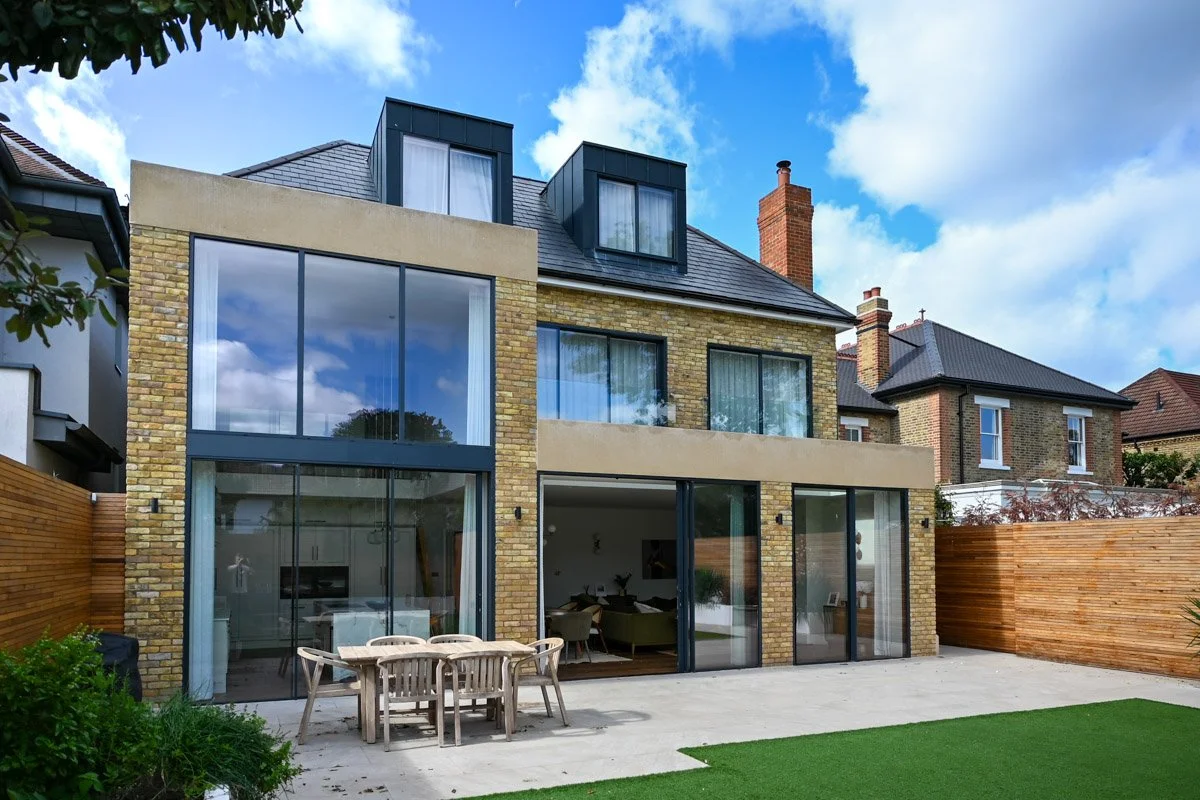
Editors are constantly scanning the landscape for what feels fresh. A renovation that applies the same material palette and open-plan formula seen in hundreds of other features will struggle to stand out. What makes your project different? A genuinely unusual approach to a period property, an unexpected material choice, or a spatial solution that challenges convention are the type of things that make editors stop scrolling.
Relevance also matters. Pitching a feature that connects to current conversations in the industry, e.g. sustainability, adaptive reuse, designing for multigenerational living, gives editors a hook to position the story within a broader context.
How to Get Your Project in Front of Editors
Even the strongest project needs to reach the right eyes. Beyond direct pitching to editorial teams, one of the most effective strategies is ensuring your work is visible on platforms where editors and industry professionals already go for inspiration. Publications and their editorial teams actively follow trusted content destinations to discover projects worth featuring, which means the audience you build in those spaces has a direct line to the coverage you're seeking.
If you're looking to position your renovation project or brand in front of an engaged, design-literate audience that already attracts editorial attention, a sponsorship with HomeInspire offers exactly that kind of reach. With over a million monthly views and an audience actively seeking renovation inspiration, it's one of the most direct routes to the visibility that leads to real editorial opportunities.
Ready to Get Featured?
Getting noticed starts with being seen in the right places. Explore marketing opportunities with HomeInspire and put your project in front of the audience that matters.
